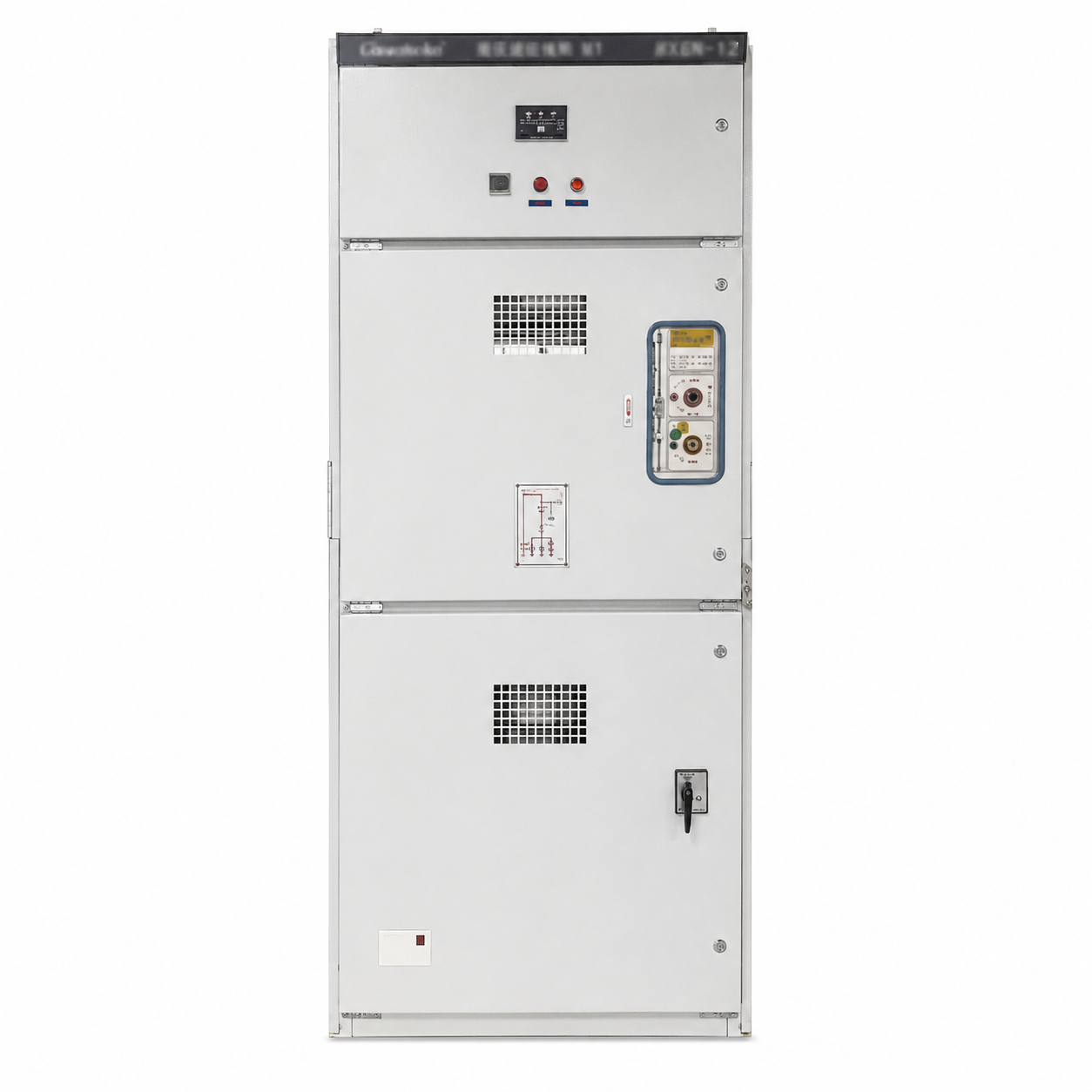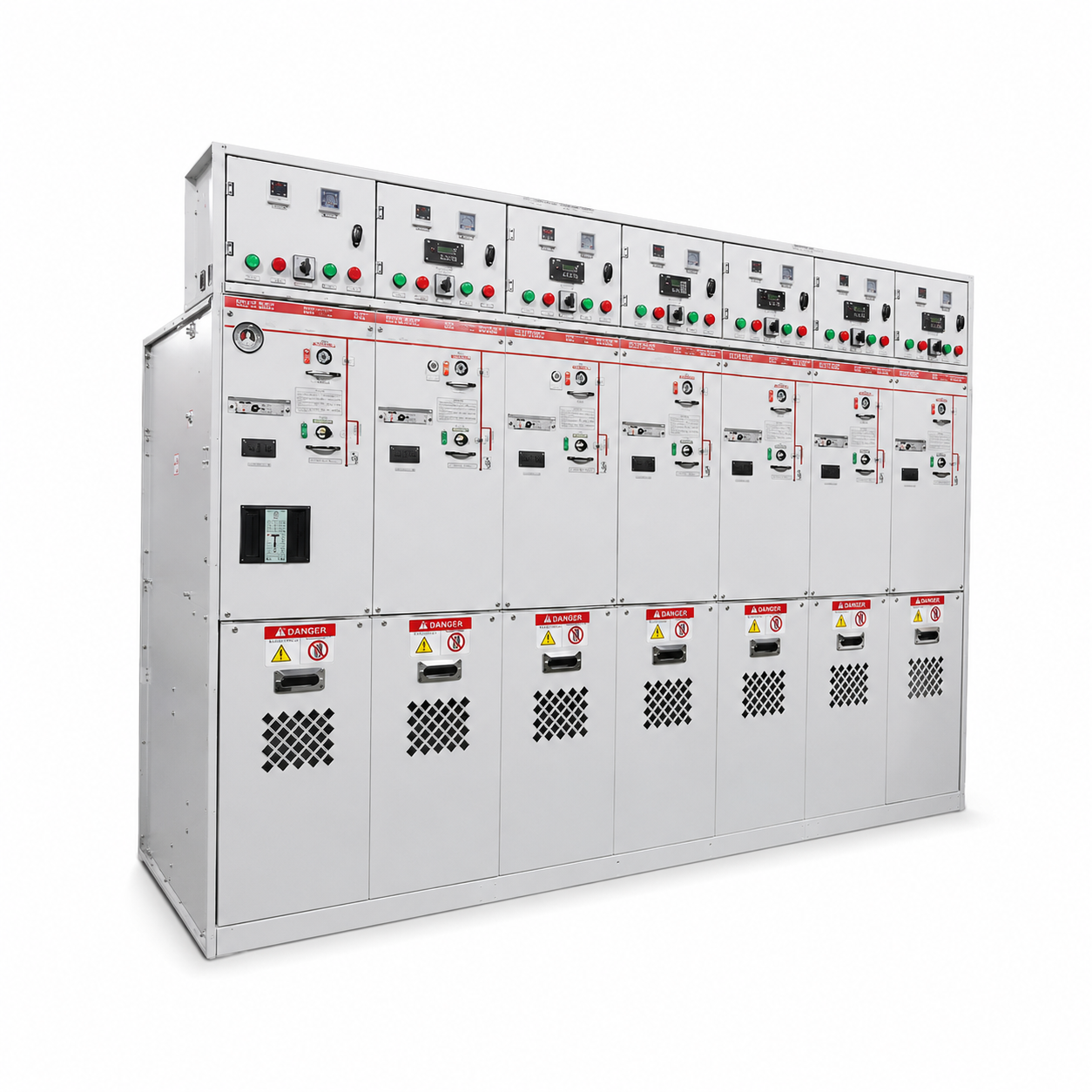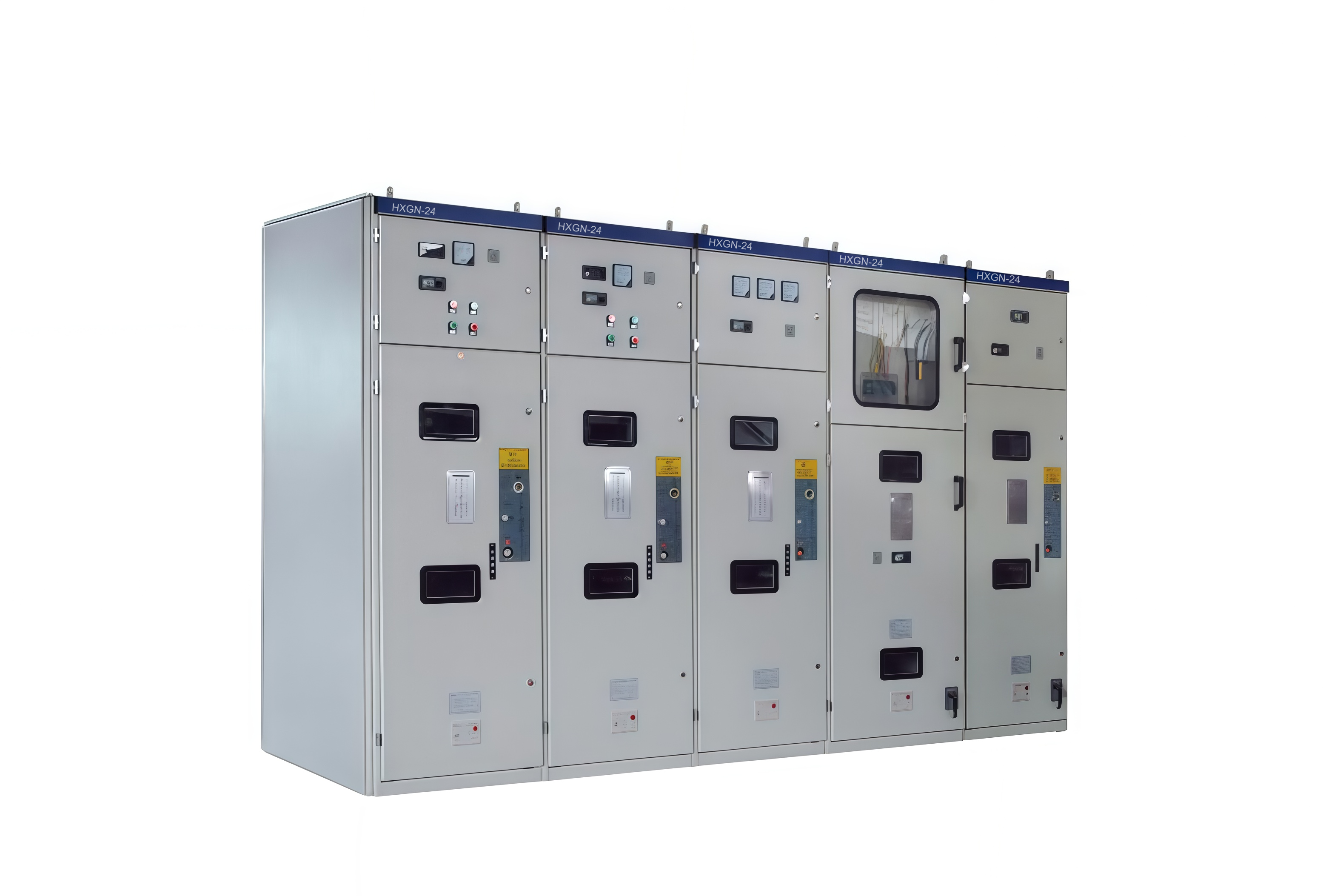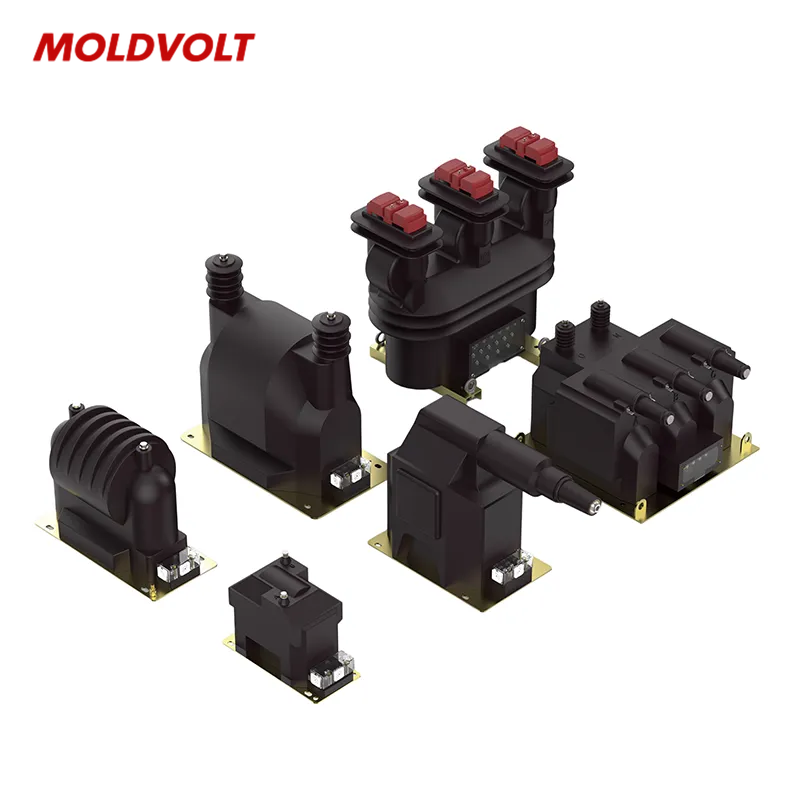
A transformer fuse is a critical protection component designed to interrupt excessive current under specified fault conditions. Selecting the appropriate fuse requires more than matching the transformer's rated current. Engineers must consider system voltage, available short-circuit current, transformer energization inrush, load characteristics, and coordination with other protective devices. VoltCabinet supports electrical equipment projects by helping buyers define component requirements for distribution networks, commercial buildings, manufacturing facilities, and industrial power systems. Depending on the application, transformer protection may involve medium-voltage current-limiting fuses, expulsion fuse links, or low-voltage fuses for auxiliary and control circuits. Each fuse must be compatible with its intended installation, including voltage class, continuous current rating, interrupting capacity, mounting arrangement, and applicable standards. For example, a medium-voltage distribution transformer requires a protection assessment that accounts for both normal energization and potential downstream faults. Providing transformer capacity, primary voltage, installation details, and existing protection information helps suppliers evaluate suitable options. Final selection should follow manufacturer guidance and qualified engineering review to support dependable operation and safe fault interruption.
16
Sep
23
Sep
26
Sep
16
Oct

Copyright © 2026 by ZHEJIANG XIANGHONG ELECTRIC CO., LTD - Privacy Policy
 EN