Transformer Components: Core, Winding & Cooling Solutions

All Categories
Customer Feedback on Transformer Components and Supply Solutions

Customer Feedback on Transformer Components and Supply Solutions

Transformer components work together to support voltage conversion, electrical insulation, heat dissipation, and dependable power transmission. Core assemblies, copper or aluminum windings, insulation materials, bushings, terminals, cooling systems, and protective accessories each contribute to overall performance. Suitable component selection depends on rated capacity, voltage level, operating temperature, installation environment, and applicable standards. For example, a distribution transformer installed outdoors may require weather-resistant bushings, effective cooling arrangements, and corrosion-resistant hardware. Manufacturers and procurement teams should also verify material specifications, dimensional tolerances, and compatibility with the intended transformer design. VoltCabinet helps buyers clarify electrical equipment requirements and evaluate component specifications for commercial, industrial, and utility applications.
Get A Quote

Case Study

Core and Winding Components for Distribution Transformers

A distribution transformer manufacturer required suitable core and winding materials for a new equipment configuration. The engineering team reviewed magnetic properties, conductor specifications, insulation systems, and thermal requirements before approving the component selection. Core material influences magnetic performance and contributes to no-load losses, while winding design affects resistance, current capacity, and temperature rise. Engineers also checked assembly tolerances and compatibility with the rated voltage and capacity. This structured evaluation helped align component choices with the transformer's intended operating conditions. For similar manufacturing projects, documenting electrical and mechanical requirements early supports quality control, consistent assembly, and more reliable finished equipment.

Insulation and Bushing Components for Outdoor Installations

An electrical equipment supplier needed insulation materials and bushings for transformers installed in outdoor distribution networks. The project team assessed voltage ratings, insulation performance, creepage requirements, environmental exposure, and connection dimensions. Moisture, contamination, and temperature variation were considered when evaluating suitable component designs. Engineers also checked compatibility with the transformer enclosure, conductors, and grounding arrangements. Selecting components according to operating conditions helps reduce insulation-related risks and supports dependable electrical connections. For outdoor applications, procurement teams should verify relevant test documentation and applicable standards instead of relying solely on appearance or nominal dimensions. Thorough component evaluation supports safer installation and long-term equipment maintenance.

Cooling and Protection Components for Industrial Transformers

An industrial facility required replacement components to support transformer cooling and operational monitoring. Engineers reviewed the existing transformer design, operating temperature, cooling arrangement, and protection requirements before identifying compatible parts. Depending on the model, components may include radiators, cooling fans, temperature indicators, pressure-relief devices, and oil-level indicators. Not every transformer uses every component, so compatibility must be verified against the manufacturer's documentation. The project team also considered installation access and maintenance procedures to reduce disruption during servicing. For industrial operators, accurate component identification helps prevent incompatible replacements, supports planned maintenance, and improves coordination between maintenance personnel and equipment suppliers.

Related products

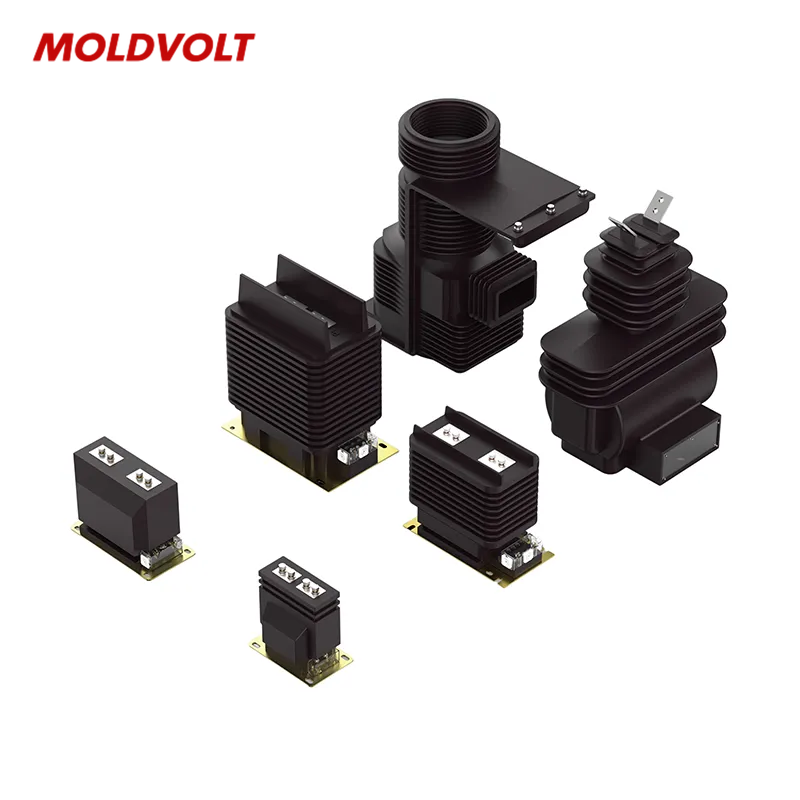
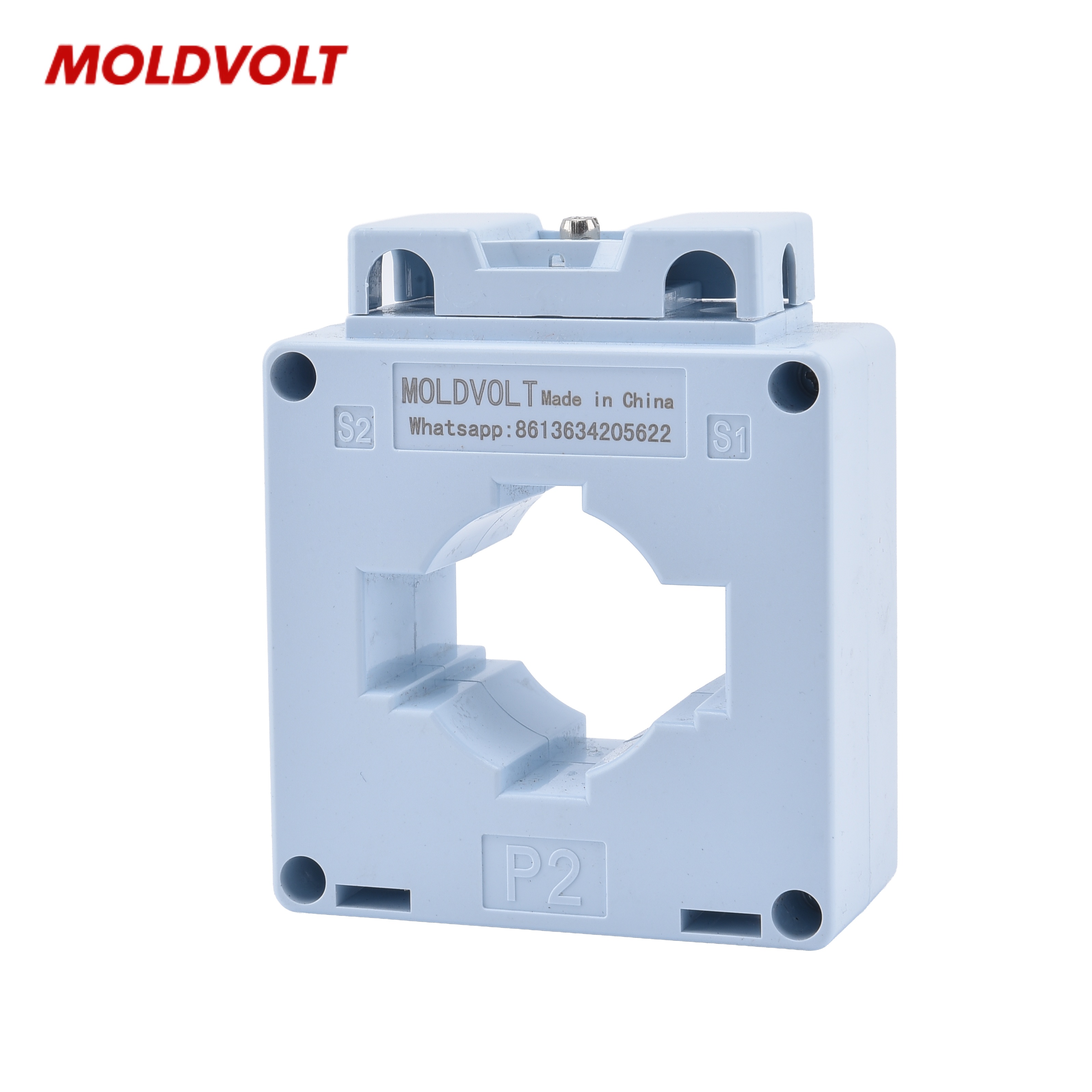
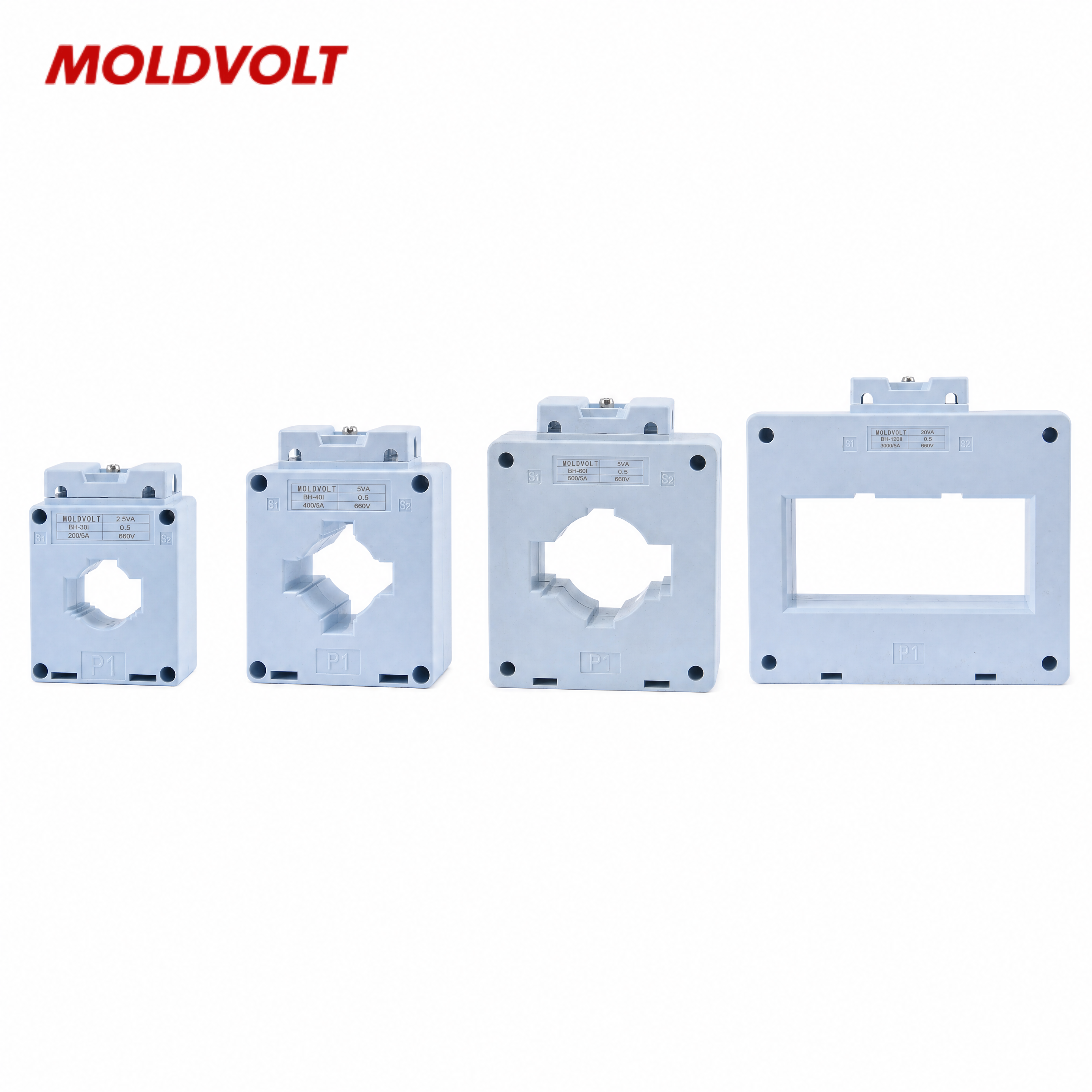
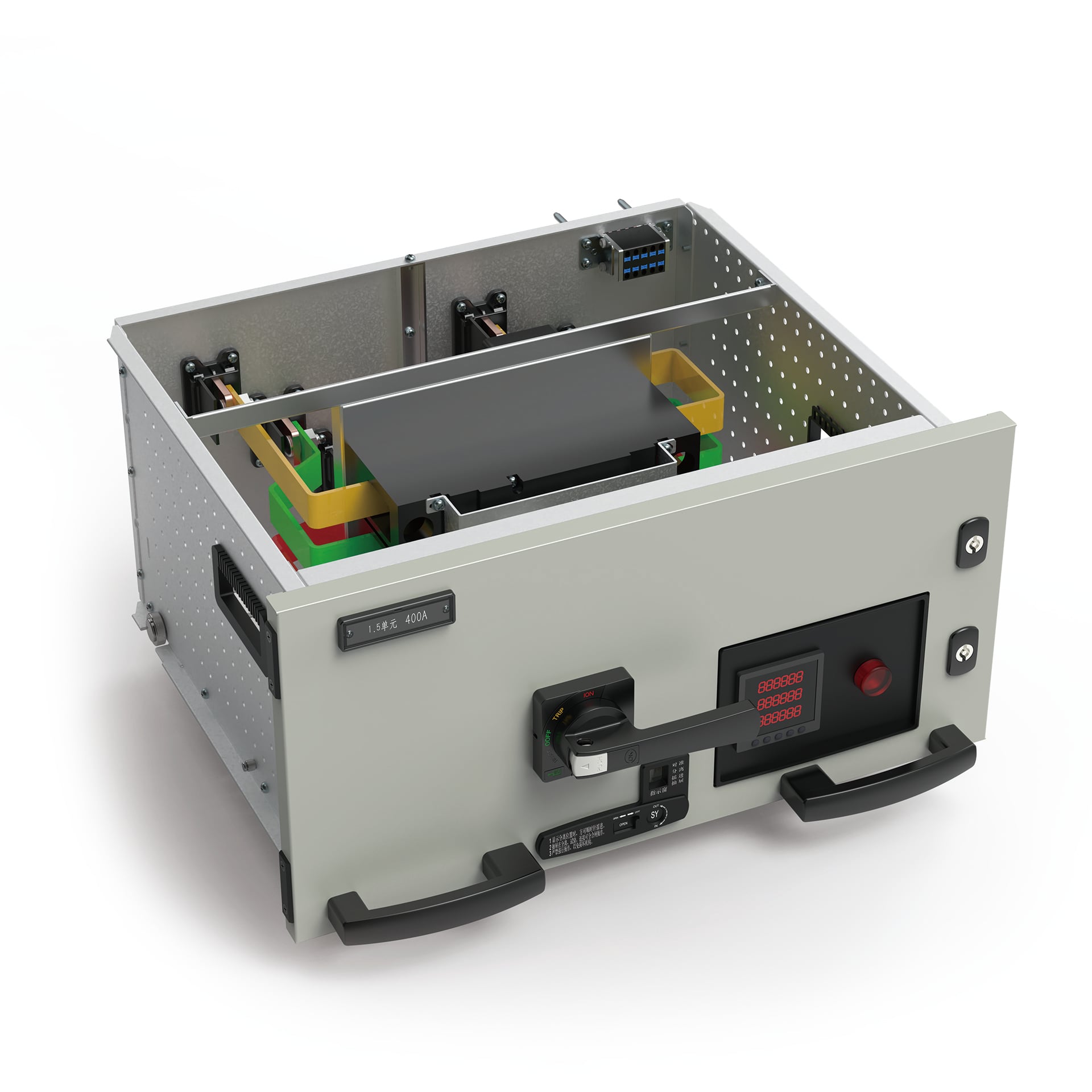
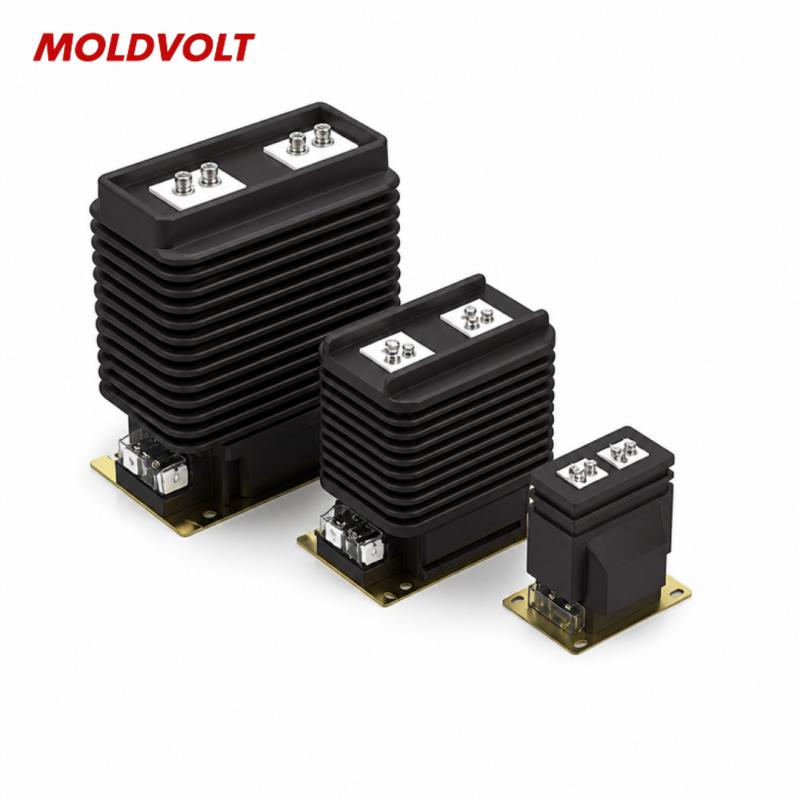
Transformer components form an integrated system responsible for electromagnetic energy transfer, insulation, cooling, electrical connection, and operational protection. The magnetic core provides a path for magnetic flux, while copper or aluminum windings transfer electrical energy between circuits through electromagnetic induction. Insulation materials separate conductive parts and withstand electrical stress. Bushings and terminals provide connection points, while cooling components help control temperature during operation. Depending on transformer type and application, additional components may include tanks, radiators, conservators, pressure-relief devices, temperature indicators, oil-level indicators, tap changers, and monitoring accessories. Their availability and design vary between dry-type and oil-immersed transformers, as well as across different voltage and capacity ratings. VoltCabinet supports project-oriented electrical equipment sourcing by helping buyers organize technical requirements and evaluate component compatibility. When requesting a quotation, provide the transformer model, rated capacity, voltage level, component name or part number, dimensions, and installation conditions. Manufacturer drawings and photographs of existing parts can also help clarify requirements. Correct identification supports suitable replacement selection, efficient procurement, and maintenance planning while reducing the risk of incompatible components.
Frequently Asked Questions

What are the main components of a transformer?

Common transformer components include the magnetic core, primary and secondary windings, insulation system, terminals, and enclosure. Depending on the design, additional parts may include bushings, radiators, cooling fans, tap changers, monitoring instruments, and protective devices. The exact configuration varies by transformer type and application.
The transformer core provides a magnetic path that links the primary and secondary windings. Its material and construction influence magnetic performance, no-load losses, and operating characteristics. Electrical steel laminations are commonly used in many power and distribution transformers to help limit eddy-current losses.
Copper and aluminum are commonly used as transformer winding conductors. Copper offers high electrical conductivity, while aluminum can provide a lower conductor weight and different cost characteristics. The appropriate material depends on electrical design, thermal performance, manufacturing requirements, and the transformer's rated capacity.
Start with the transformer manufacturer's nameplate, model number, drawings, and maintenance documentation. Record the component's part number, dimensions, voltage rating where relevant, and connection details. Consult the manufacturer or a qualified supplier to verify compatibility before ordering and installing a replacement.
Inspection priorities depend on transformer construction and operating conditions. Common checks include bushings, terminals, cooling equipment, connections, protective devices, and signs of overheating, corrosion, or leakage. Oil-filled models may require additional oil-system inspections. Follow manufacturer recommendations and applicable safety procedures, using qualified personnel for electrical testing and maintenance.

Related article

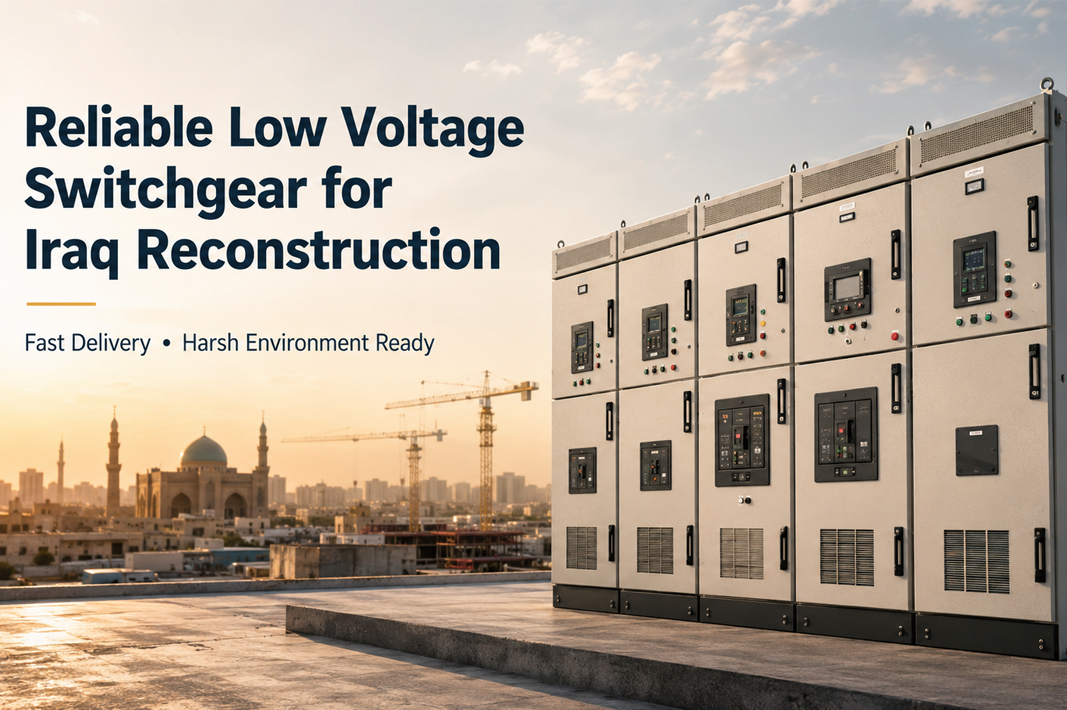
Cost-Effective Low Voltage Switchgear for Iraq: Compatible with Blokset, Okken & 8PT | Local Assembly Options

16

Sep

Cost-Effective Low Voltage Switchgear for Iraq: Compatible with Blokset, Okken & 8PT | Local Assembly Options

View More
How to customize cabinet dimensions to fit existing switchgear layouts?

26

Sep

How to customize cabinet dimensions to fit existing switchgear layouts?

Step 1: Accurate Site Assessment and Dimensional BenchmarkingMeasuring mechanical layout, clearances, and structural constraints in legacy electrical roomsA successful retrofit begins with a meticulous site survey. Older electrical rooms rarely match...
View More
Insulator dimension design follows international high voltage standards strictly.

16

Oct

Insulator dimension design follows international high voltage standards strictly.

Core IEC Standards Governing Insulator Dimension Design IEC 60383: Mechanical and Electrical Requirements for Ceramic and Glass Insulators The IEC 60383 series defines the mechanical and electrical test regimes that ceramic and glass insulators mus...
View More
Cable clamp vs cable tie: which one delivers long term stability in panels?

27

Oct

Cable clamp vs cable tie: which one delivers long term stability in panels?

Mechanical Performance Under Thermal Stress Polymer creep and thermal expansion mismatch in nylon cable ties at 60–85°C Nylon 6/6 cable ties undergo measurable mechanical degradation when exposed continuously to 60–85 °C. At the...
View More

Customer Testimonials

Michael Turner

Our electrical equipment project required dependable transformer components for a distribution system. Reviewing insulation materials, winding specifications, and connection requirements helped our team coordinate procurement and improve assembly planning.

Daniel Foster

We evaluated transformer components for industrial power equipment. Clear technical specifications and compatibility checks helped us assess component suitability, streamline supplier communication, and prepare for installation and maintenance.

Get a Free Quote

Our representative will contact you soon.
Email
Mobile/WhatsApp
Name
Company Name
Message
0/1000
Precision Core and Winding Design for Electrical Performance

Precision Core and Winding Design for Electrical Performance

Core and winding assemblies are central to transformer performance because they determine magnetic coupling, electrical resistance, and important thermal characteristics. Core materials and lamination construction influence magnetic losses, while winding conductor size and arrangement affect current capacity and temperature rise. Manufacturers must coordinate these factors with rated voltage, capacity, impedance, and insulation requirements. For example, a distribution transformer designed for continuous service needs an appropriate balance between electrical performance, thermal limits, and manufacturing costs. Buyers evaluating core and winding components should review material grades, conductor specifications, dimensional tolerances, and relevant test documentation. Proper specification control supports consistent assembly quality and dependable operation throughout the equipment's intended service life.
Insulation and Connection Components for Operational Safety

Insulation and Connection Components for Operational Safety

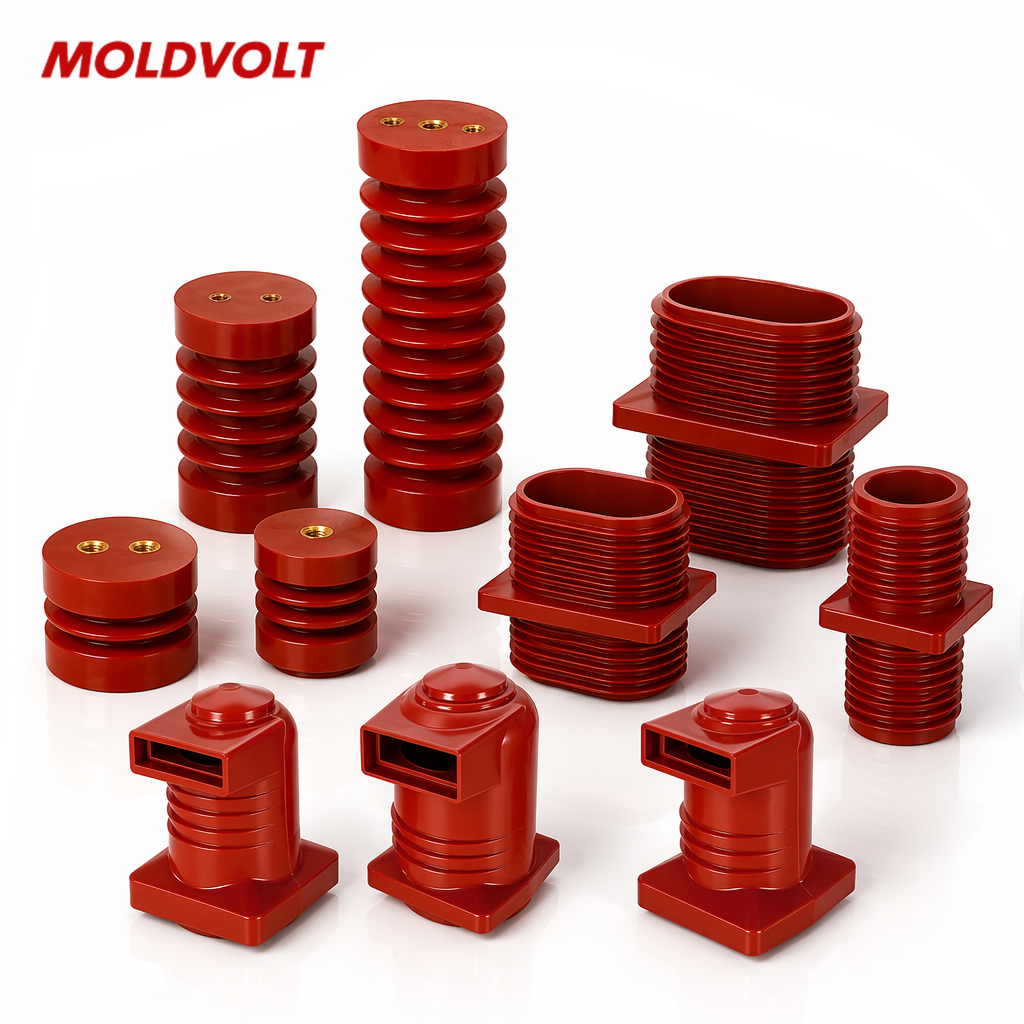
Insulation systems, bushings, and terminals help maintain electrical separation and provide secure connections between transformer circuits and external equipment. Their specifications must match the operating voltage, current requirements, environmental conditions, and applicable electrical standards. Outdoor transformers may require bushings designed to withstand moisture, contamination, and temperature fluctuations, while indoor applications may have different enclosure and installation requirements. Engineers should also verify creepage distances, connection dimensions, insulation ratings, and compatibility with cables and switchgear. Component quality alone cannot compensate for incorrect installation or unsuitable system design. Reviewing technical documentation and following manufacturer procedures helps reduce electrical risks, supports reliable connections, and improves maintenance planning.
Compatible Cooling and Protection Components for Long-Term Service

Compatible Cooling and Protection Components for Long-Term Service

Cooling and protection components help transformers manage heat and respond to abnormal operating conditions. Depending on the design, these may include radiators, fans, temperature indicators, pressure-relief devices, and oil-level monitoring equipment. Correct selection depends on transformer construction, thermal requirements, rated capacity, and the manufacturer's specified configuration. For example, a forced-air-cooled transformer may require compatible fans and temperature controls, whereas a naturally cooled model may use a different arrangement. Buyers sourcing replacement components should confirm model numbers, dimensions, electrical ratings, and approved specifications before ordering. Planned inspections and timely replacement of defective parts help maintain equipment condition, reduce avoidable downtime, and support dependable operation across industrial and utility applications.

Get a Free Quote

Our representative will contact you soon.
Email
Mobile/WhatsApp
Name
Company Name
Message
0/1000