Cable Tie Clips for Electrical Cabinets | Secure & Standardized Routing

All Categories
Customer Reviews of Cable Tie Clips

Customer Reviews of Cable Tie Clips

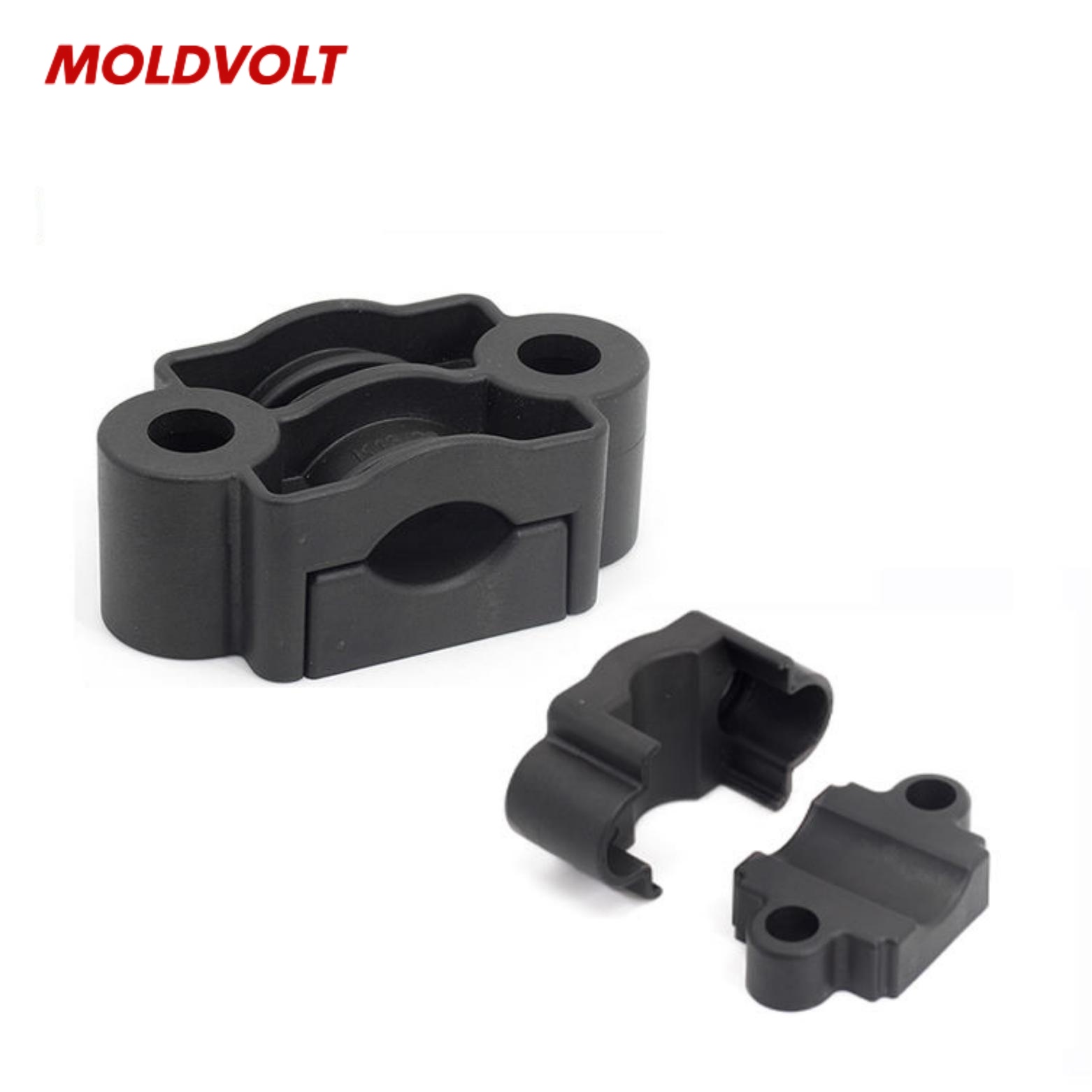
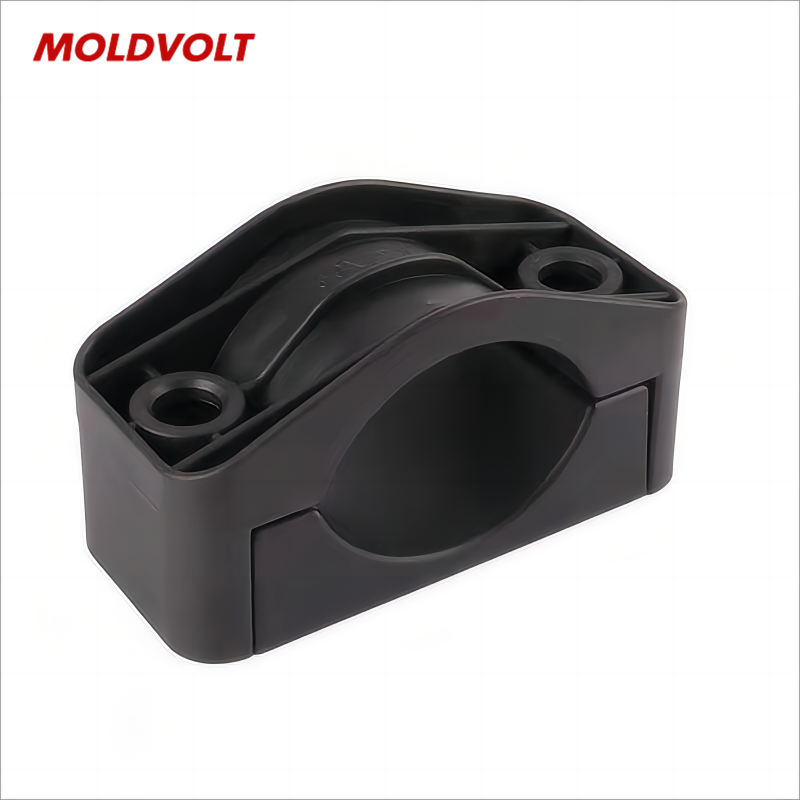
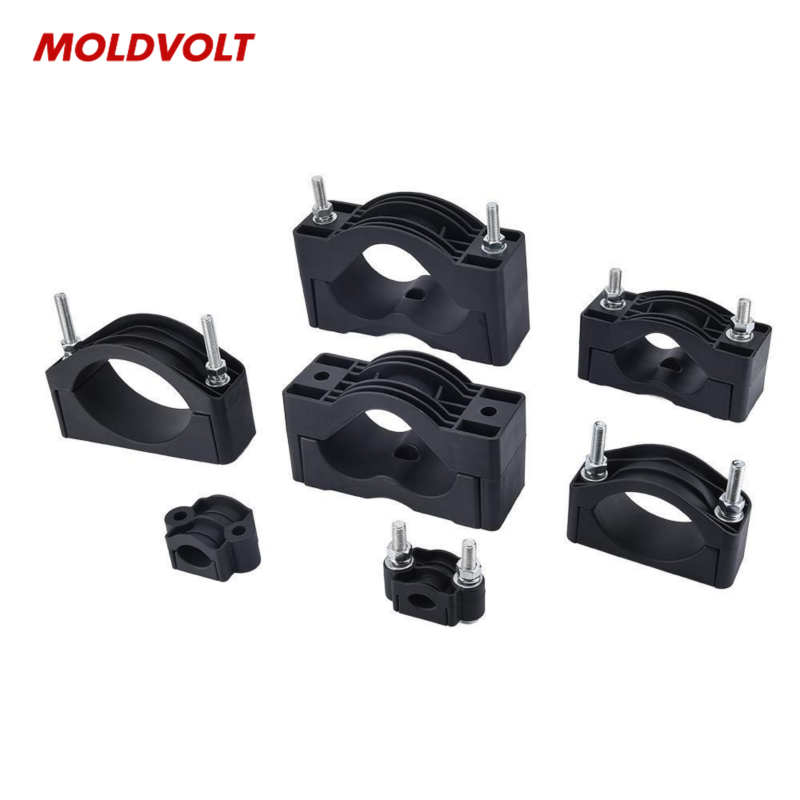
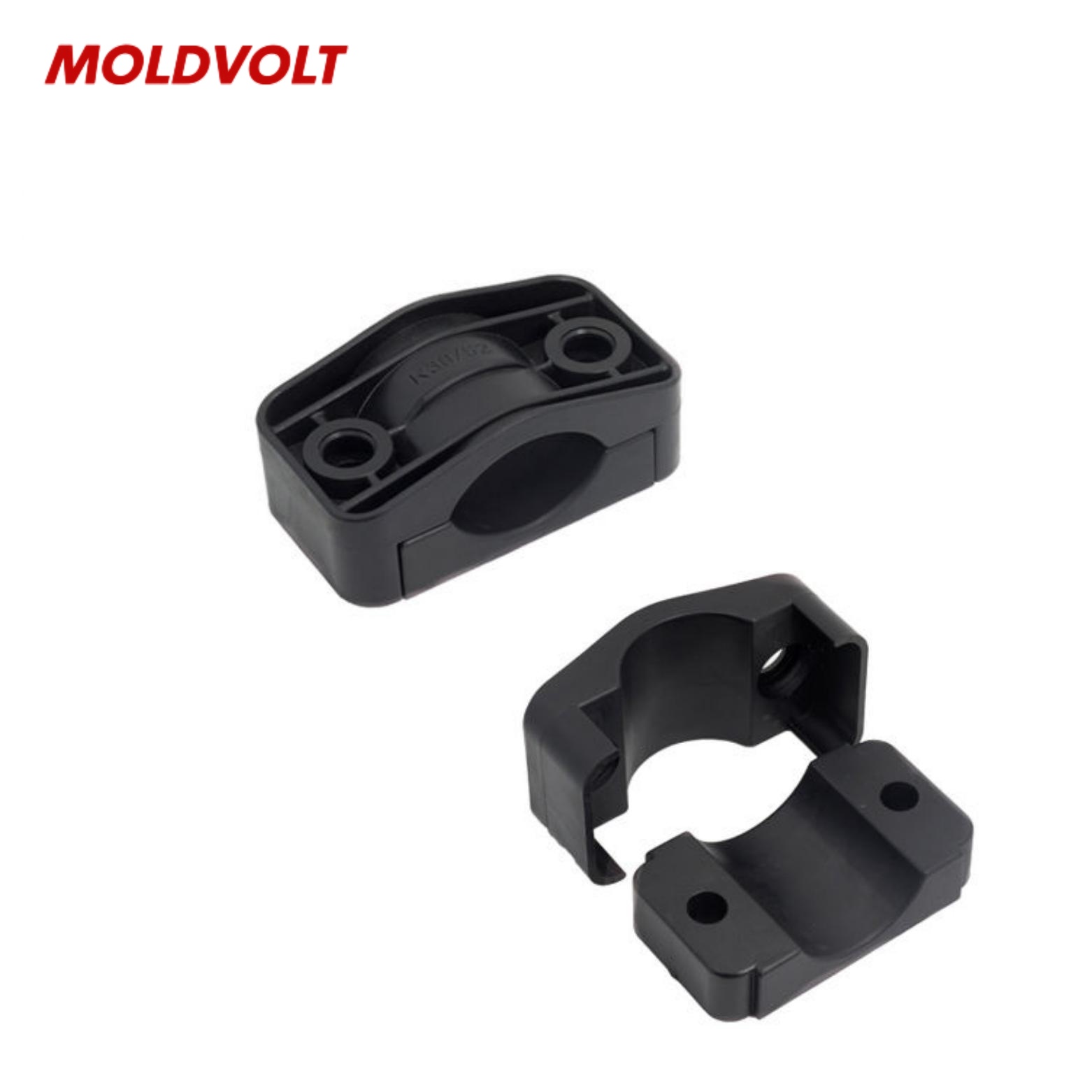
Cable tie clips provide a practical way to bundle, route, and secure wires across electrical cabinets, industrial machinery, commercial buildings, and communication systems. Designed to work with compatible cable ties, these accessories help maintain orderly cable paths and simplify installation. Available configurations may include screw-mounted clips, adhesive-backed holders, and mounting bases with tie slots. Selecting the right design depends on cable bundle diameter, mounting surface, load requirements, and environmental exposure. For example, control panel manufacturers can standardize clip sizes across assembly lines to simplify inventory and improve wiring consistency. Suitable materials and reliable fastening methods help support long-term cable organization and convenient maintenance.
Get A Quote

Case Study

Cable Tie Clips for Electrical Control Cabinets

A control cabinet manufacturer needed an efficient method for organizing internal wires around terminal blocks, relays, and control devices. Cable tie clips provided mounting points for compatible cable ties, helping technicians secure wire bundles along designated routes. The engineering team evaluated mounting space, cable bundle sizes, surface materials, and operating temperatures before choosing suitable components. Standardized mounting bases simplified assembly instructions and reduced the need for improvised cable fastening. The resulting wiring arrangement improved accessibility for inspection and troubleshooting. For manufacturers producing multiple cabinet models, consistent clip specifications can streamline purchasing, support repeatable assembly, and make future wiring modifications easier to manage.

Cable Tie Clips for Industrial Equipment Wiring

An industrial equipment builder required reliable cable routing around motors, sensors, control units, and machine frames. Cable tie clips helped establish organized fastening points for wires exposed to routine equipment movement and vibration. Installers considered cable bundle diameter, mounting orientation, fastening strength, and surface compatibility when selecting appropriate components. Suitable placement helped prevent loose wiring from interfering with adjacent equipment while preserving access for servicing. Engineers also planned routes to accommodate inspection and component replacement. For machinery manufacturers, properly selected mounting clips can improve assembly consistency, simplify cable management, and support maintenance workflows throughout the equipment lifecycle.

Cable Tie Clips for Commercial Network Installations

A commercial network installation required organized cable bundles across communication cabinets, office service areas, and equipment rooms. Cable tie clips provided convenient attachment points for compatible ties, helping technicians maintain clear routes for Ethernet and control cables. The project team considered mounting surfaces, bundle sizes, and future expansion requirements before finalizing component selection. Consistent clip placement improved cable accessibility and simplified identification during troubleshooting. Installers also avoided overtightening cable ties to protect sensitive cables from unnecessary compression. For offices and network facilities, suitable mounting accessories help create structured cable pathways that remain easier to inspect, maintain, and expand as equipment requirements change.

Related products

Cable tie clips are mounting accessories designed to work with compatible cable ties, providing secure attachment points for organizing wires and cable bundles. They are widely used in electrical cabinets, industrial machinery, telecommunications equipment, commercial buildings, and general cable management installations. Volt Cabinet focuses on practical electrical cabinet solutions and related component requirements. When sourcing cable tie clips, buyers should confirm mounting style, tie-slot dimensions, material, attachment method, and compatibility with the intended cable bundle. Depending on product availability, options may include screw-mounted bases, adhesive-backed clips, and other mounting configurations. Manufacturing quality considerations include dimensional consistency, material strength, slot accuracy, and attachment reliability. For example, an electrical panel manufacturer may prioritize repeatable mounting positions and efficient assembly, while a machinery builder may need clips suitable for vibration and demanding operating conditions. Before ordering, evaluate bundle diameter, cable type, surface material, temperature range, and environmental exposure. Adhesive-backed products require suitable surfaces and installation conditions, while mechanically fastened designs need compatible mounting points. Contact Volt Cabinet with technical drawings, quantities, and project specifications to discuss suitable cable tie clip options for your application.

Frequently Asked Questions

What are cable tie clips used for?

Cable tie clips provide mounting points for compatible cable ties, helping secure and organize wire bundles along walls, equipment frames, cabinets, and other suitable surfaces. They support cleaner cable routing, easier inspections, and more accessible maintenance in residential, commercial, and industrial installations.
Consider the cable bundle diameter, cable tie width, mounting method, surface material, and operating environment. Check the clip's dimensions and load suitability before purchasing. Select a design that accommodates the bundle without excessive compression and provides secure attachment under expected installation conditions.
Adhesive-backed clips attach to compatible clean surfaces without drilling and can suit lightweight cable management applications. Screw-mounted clips provide mechanical attachment where suitable mounting points are available. The best option depends on cable loads, surface conditions, vibration, temperature, and long-term retention requirements.
Some cable tie clips are suitable for outdoor installations when their materials and mounting methods are rated for sunlight, moisture, and temperature changes. Standard indoor products may deteriorate under harsh conditions. Verify UV resistance, weather suitability, and attachment requirements before using clips outdoors.
Bulk supply may be available depending on product specifications, stock, and order quantities. Provide the required mounting style, dimensions, material, estimated quantity, and delivery destination when requesting a quotation. Confirm minimum order quantities, packaging, lead times, and technical compatibility before placing an order.

Related article

Cost-Effective Low Voltage Switchgear for Iraq: Compatible with Blokset, Okken & 8PT | Local Assembly Options

16

Sep

Cost-Effective Low Voltage Switchgear for Iraq: Compatible with Blokset, Okken & 8PT | Local Assembly Options

View More
Insulator mechanical strength supports busbar fixing inside switchgear cabinets.

13

Oct

Insulator mechanical strength supports busbar fixing inside switchgear cabinets.

Critical Mechanical Load Demands on Insulators for Busbar Support Static, Dynamic, and Short-Circuit Electrodynamics: Quantifying Peak Forces (Up to 250 kA) Busbar support insulators must simultaneously manage three distinct mechanical load regimes...
View More
Insulator dimension design follows international high voltage standards strictly.

16

Oct

Insulator dimension design follows international high voltage standards strictly.

Core IEC Standards Governing Insulator Dimension Design IEC 60383: Mechanical and Electrical Requirements for Ceramic and Glass Insulators The IEC 60383 series defines the mechanical and electrical test regimes that ceramic and glass insulators mus...
View More
Cable clamp vs cable tie: which one delivers long term stability in panels?

27

Oct

Cable clamp vs cable tie: which one delivers long term stability in panels?

Mechanical Performance Under Thermal Stress Polymer creep and thermal expansion mismatch in nylon cable ties at 60–85°C Nylon 6/6 cable ties undergo measurable mechanical degradation when exposed continuously to 60–85 °C. At the...
View More

Customer Testimonials

Michael Turner

Our installation team used cable tie clips to organize wiring across several electrical cabinets. The secure mounting design simplified cable routing, reduced loose wires, and made routine inspections more convenient.

David Wilson

We selected cable tie clips for equipment wiring and workstation installations. Their straightforward fastening arrangement helped maintain organized cable bundles and improved accessibility during maintenance and equipment upgrades.

Get a Free Quote

Our representative will contact you soon.
Email
Mobile/WhatsApp
Name
Company Name
Message
0/1000
Secure Mounting for Consistent Cable Routing

Secure Mounting for Consistent Cable Routing

Reliable mounting is essential for cable tie clips used in electrical and industrial installations. Properly selected clips provide attachment points that help keep wire bundles aligned and prevent unnecessary cable movement. Buyers should evaluate slot dimensions, mounting-hole compatibility, material strength, and expected loads before selecting components. For example, a control panel manufacturer using standardized clip positions can create repeatable wiring layouts across multiple cabinet models. Consistent specifications also simplify inventory management and replacement planning. Installation teams should verify mounting security and select cable ties appropriate for the bundle size. These practices help maintain organized wiring while supporting accessible inspections and practical maintenance throughout the equipment lifecycle.
Flexible Mounting Options for Diverse Applications

Flexible Mounting Options for Diverse Applications

Different cable management environments require different mounting solutions. Screw-mounted cable tie clips can provide mechanical attachment to compatible surfaces, while adhesive-backed options may suit smooth panels where drilling is undesirable. Material selection should reflect temperature, humidity, vibration, and potential chemical exposure. For example, a commercial office installation may prioritize quick attachment and discreet cable routing, whereas industrial machinery may require mechanically secured mounting points. Outdoor projects should use products specifically rated for environmental exposure rather than assuming all plastic clips offer equivalent durability. Evaluating mounting conditions, cable bundle dimensions, and maintenance needs helps buyers select suitable components and build organized, adaptable cable management systems.

Get a Free Quote

Our representative will contact you soon.
Email
Mobile/WhatsApp
Name
Company Name
Message
0/1000