Industrial Insulators for Switchgear & Distribution Cabinets

All Categories
Customer Reviews of Industrial Insulators

Customer Reviews of Industrial Insulators

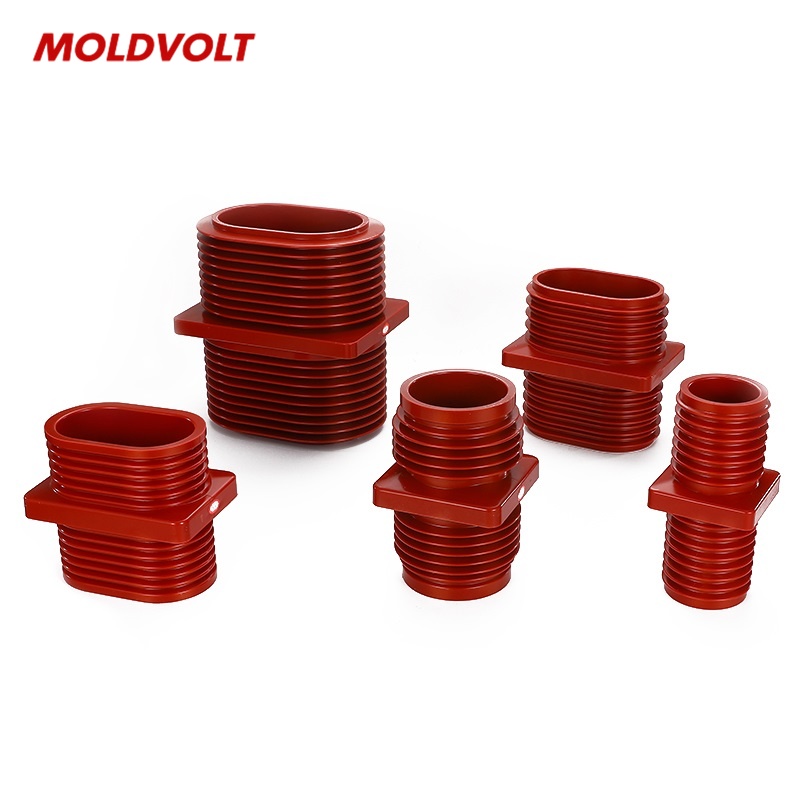
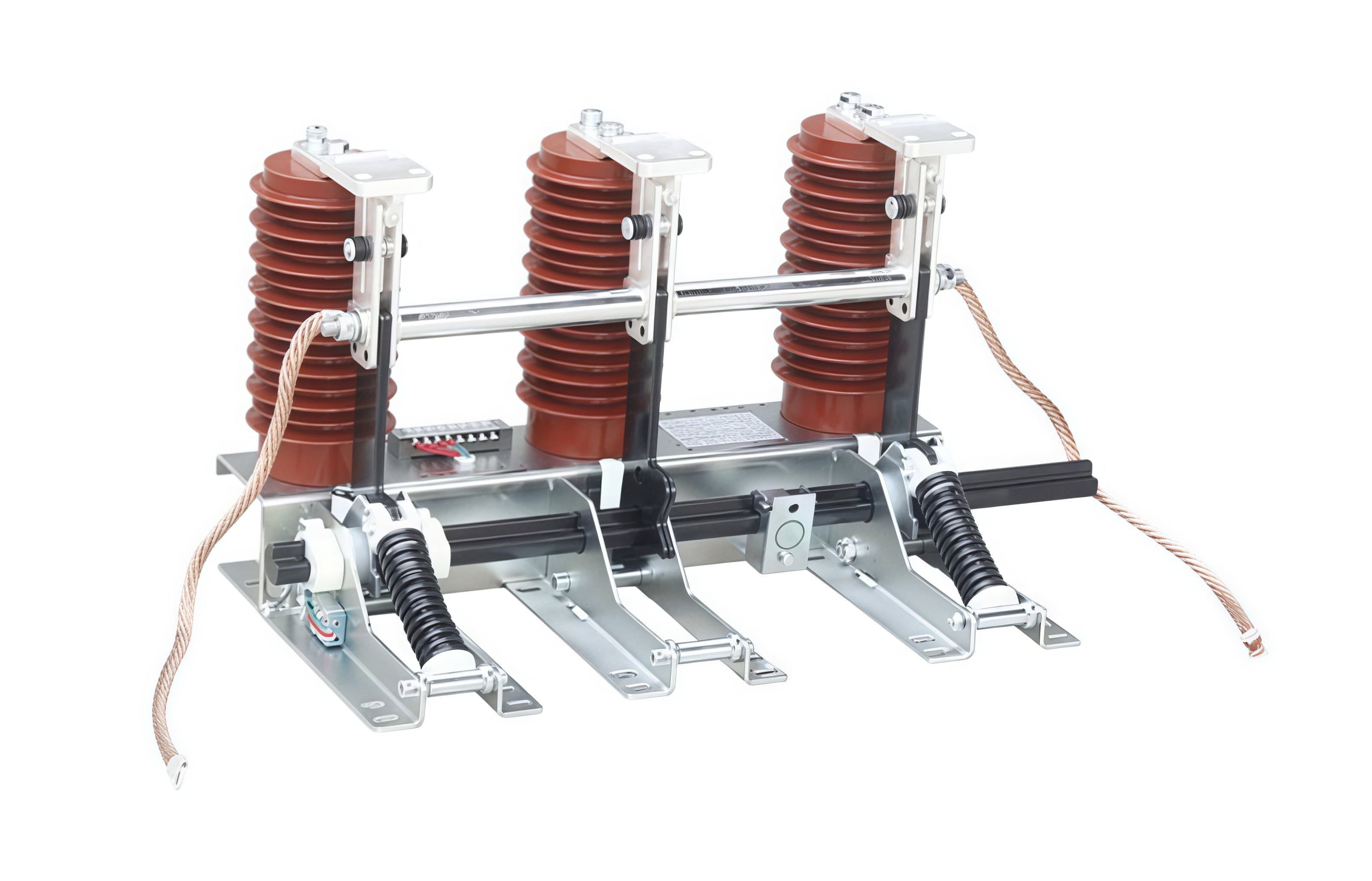
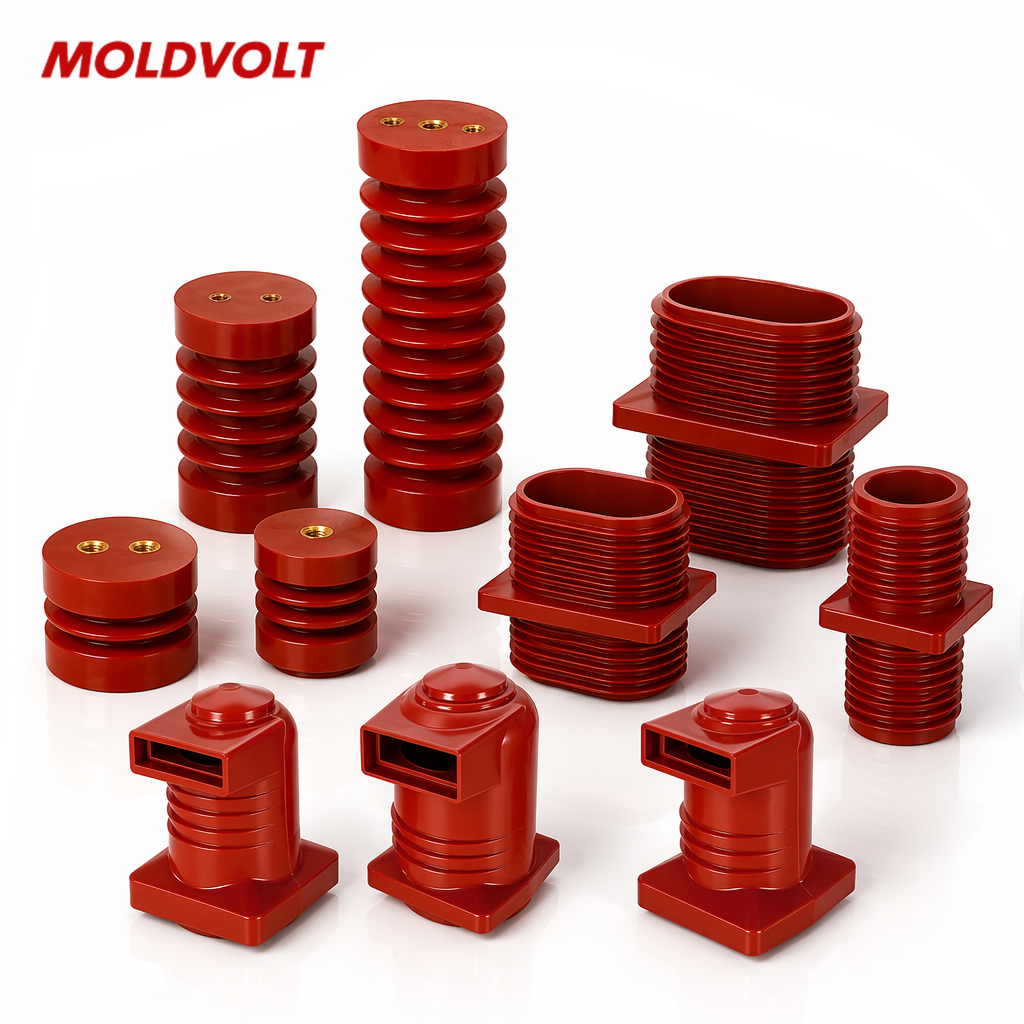
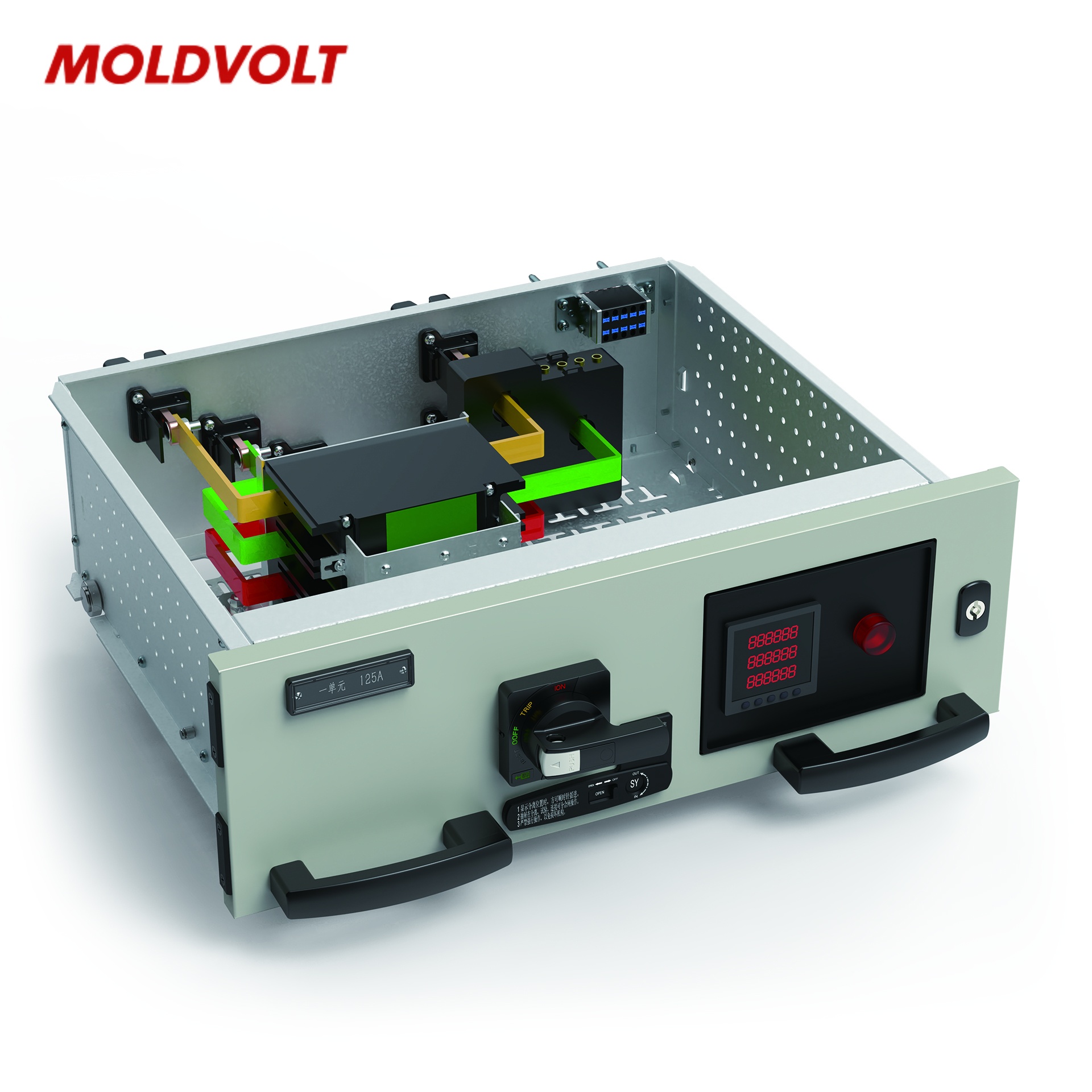
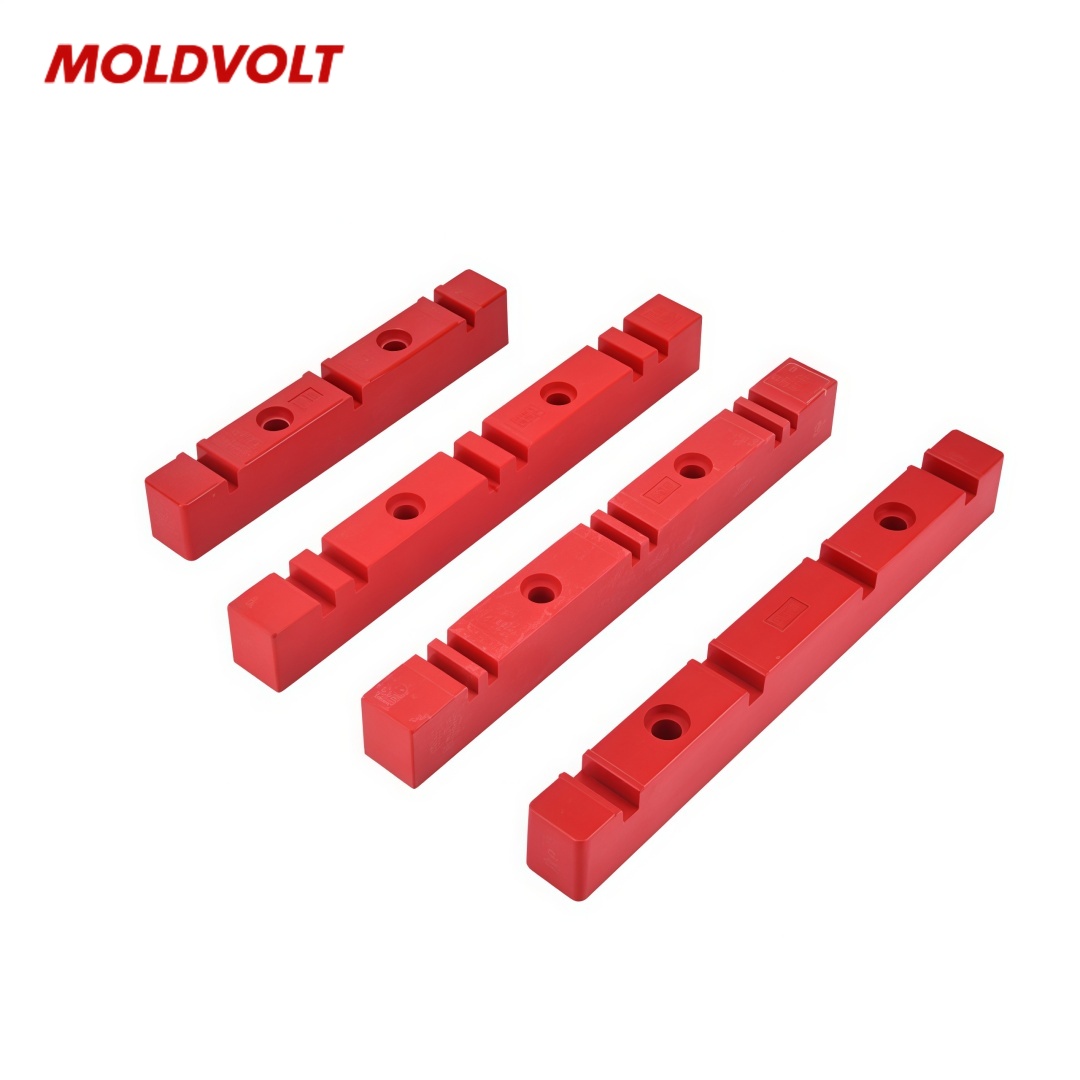
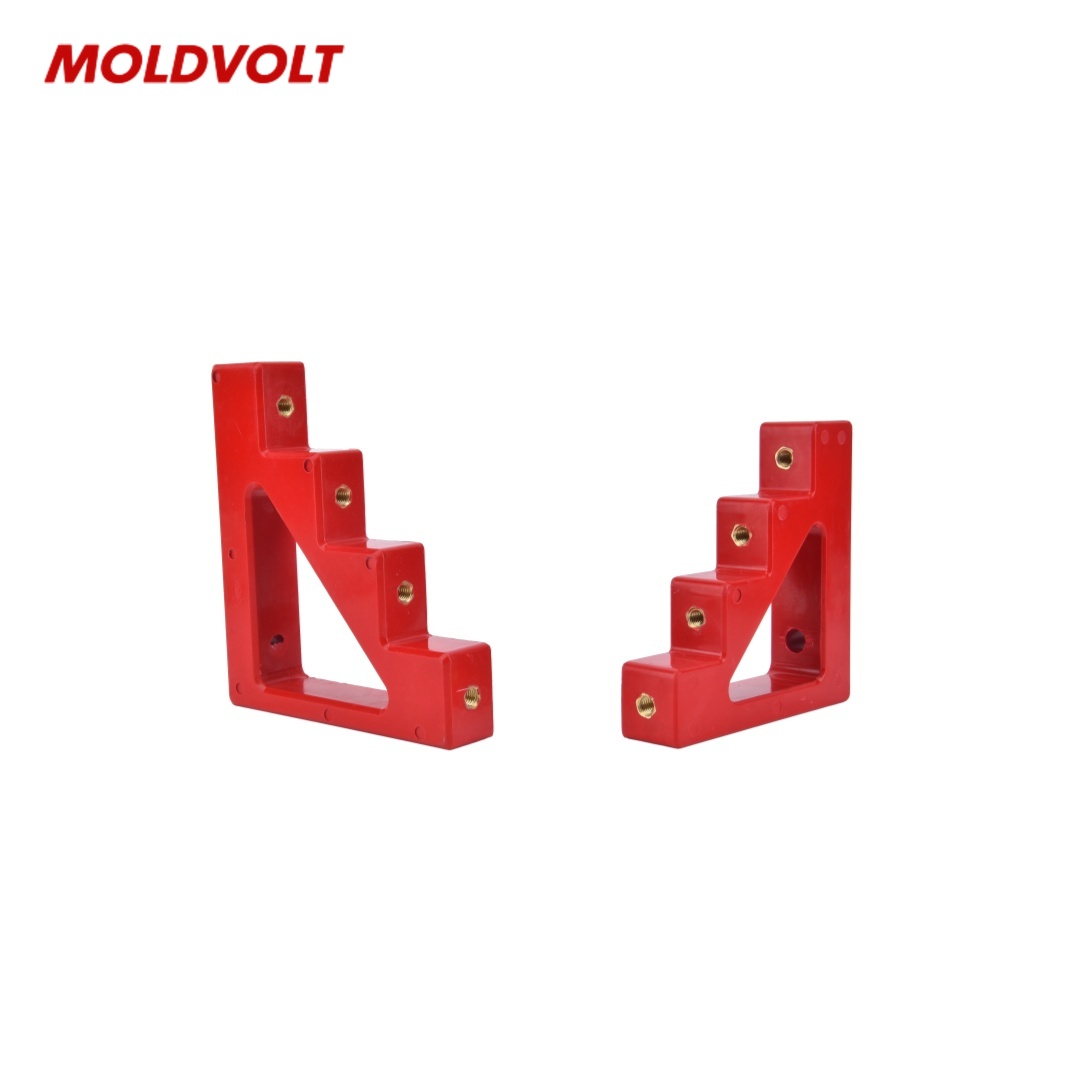
Volt Cabinet provides insulating components designed for electrical equipment manufacturers, power distribution projects, and industrial applications. These products help maintain electrical separation while supporting conductors and other internal components. Depending on application requirements, available material options can include epoxy resin, silicone rubber, and other suitable insulating materials. Different configurations can be evaluated according to rated voltage, mechanical loading, mounting dimensions, and environmental conditions. For switchgear and distribution cabinets, properly selected insulators help maintain conductor positioning and appropriate electrical clearances. Customized structures also improve compatibility with different equipment layouts, helping manufacturers simplify assembly, reduce installation difficulties, and maintain consistent product quality across electrical equipment production.
Get A Quote

Case Study

Insulators for Medium-Voltage Switchgear

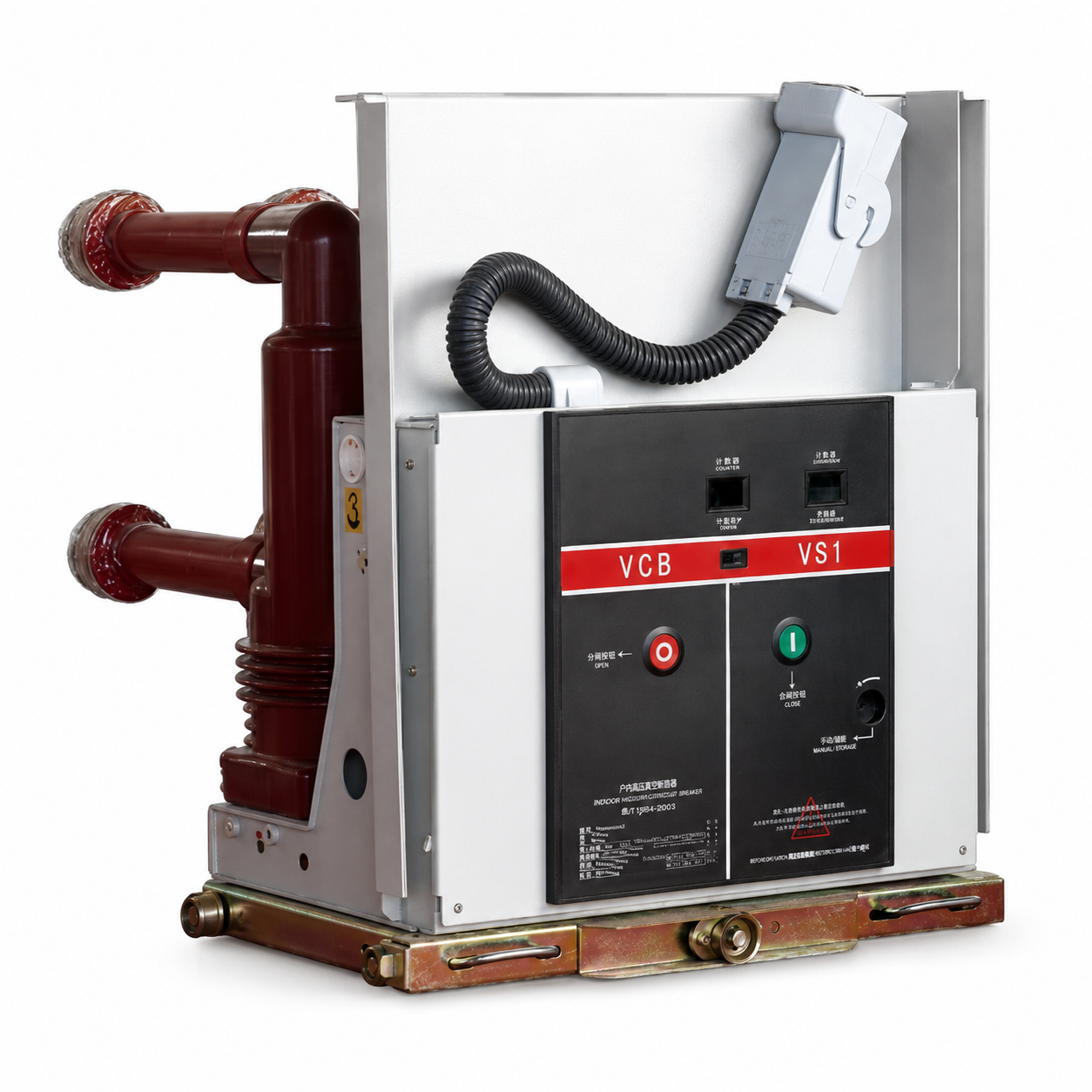
A switchgear manufacturer required dependable insulating components for a medium-voltage electrical distribution project. The application involved supporting conductive parts while maintaining sufficient electrical separation inside compact cabinet structures. The selected insulators were evaluated according to operating voltage, mounting dimensions, mechanical strength, and installation conditions. Their structural configuration helped maintain consistent conductor positioning and simplified integration with other electrical components. For medium-voltage equipment, factors such as creepage distance, electrical clearance, and insulation coordination are particularly important. Properly specified insulators contribute to equipment reliability while helping manufacturers achieve organized internal layouts and consistent assembly results during switchgear production.

Industrial Insulators for Power Distribution Cabinets

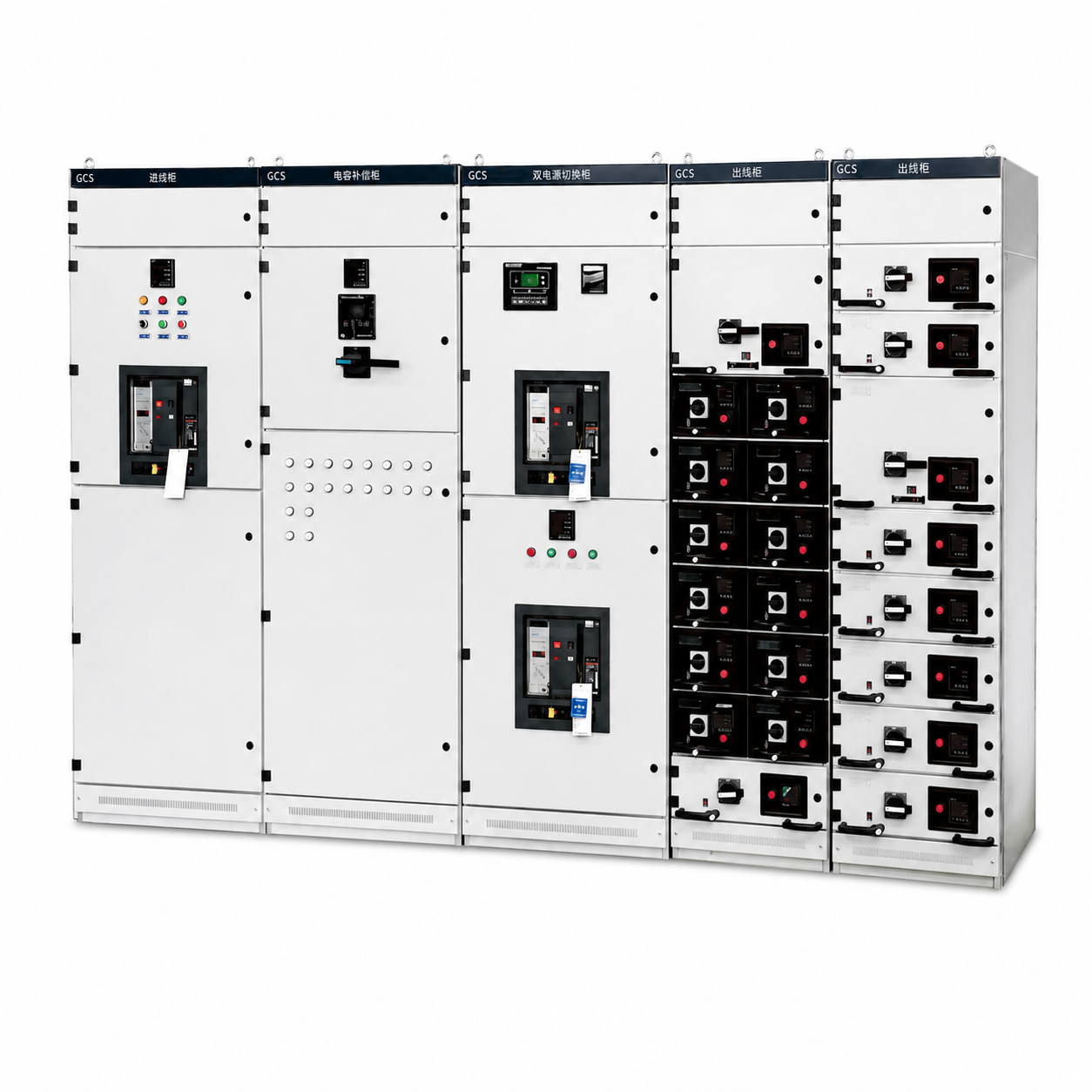
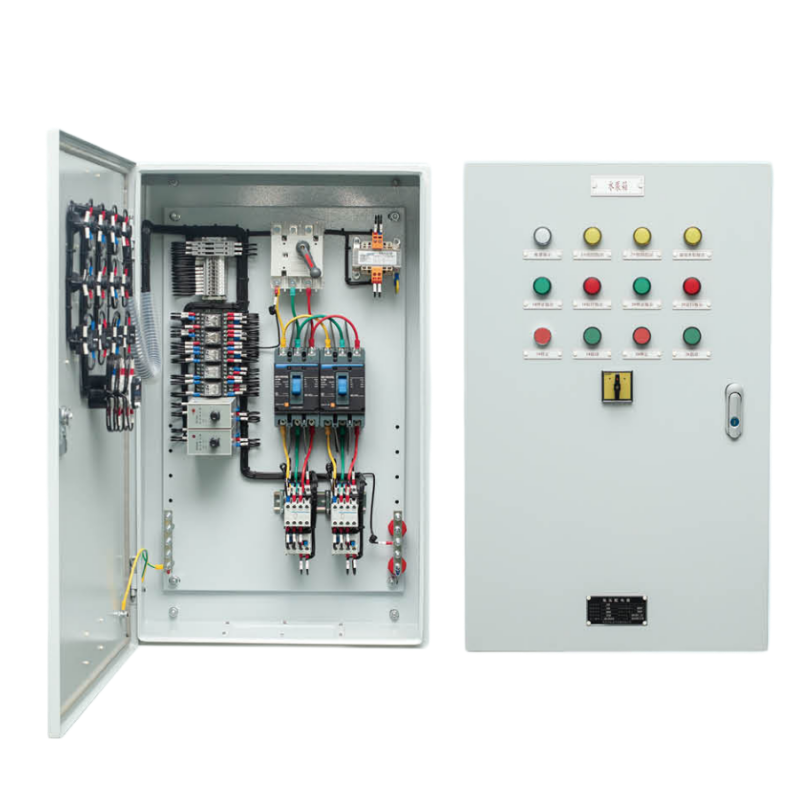
An industrial equipment producer needed insulating components for a customized power distribution cabinet. The project required stable mechanical support for internal conductors and reliable electrical isolation under normal operating conditions. Product selection focused on material characteristics, mounting interfaces, structural dimensions, and expected mechanical loads. Suitable insulating configurations helped maintain the required spacing between conductive components and supporting structures. The manufacturer also considered installation accessibility and compatibility with the cabinet's internal arrangement. By selecting application-appropriate insulators, equipment producers can improve assembly consistency, support electrical safety requirements, and develop more reliable distribution solutions for factories, commercial facilities, and industrial power networks.

Customized Insulators for Electrical Equipment Production

An electrical equipment manufacturer was developing a new product series and needed insulating components with specific structural dimensions. Existing standard configurations did not fully match the equipment's mounting requirements. The project therefore involved evaluating material options, component geometry, conductor spacing, and mechanical support requirements. Customized insulator designs helped accommodate the internal equipment layout while maintaining the necessary electrical separation. Dimensional compatibility was particularly important for ensuring efficient installation across multiple production units. This application demonstrates how tailored insulating components can help electrical manufacturers improve equipment integration, simplify assembly procedures, and maintain consistent manufacturing standards for different power distribution products.

Related products

Insulators are essential components in electrical systems, providing electrical isolation and mechanical support for conductors, connections, and other energized parts. They are widely used in switchgear, transformers, power distribution cabinets, busbar assemblies, industrial machinery, and utility installations. Depending on the application, insulating materials may include epoxy resin, porcelain, silicone rubber, glass, and other specialized compounds. Each material offers different characteristics in terms of dielectric performance, mechanical strength, temperature resistance, and environmental durability. For medium-voltage switchgear, insulators help maintain conductor positioning and appropriate electrical clearances within equipment enclosures. Product selection should consider rated voltage, creepage distance, mechanical loading, operating temperature, and applicable IEC requirements. Volt Cabinet focuses on electrical equipment components designed for different installation structures and technical specifications. Manufacturers can evaluate product dimensions, material suitability, and mounting configurations according to their project requirements. Properly selected insulators contribute to reliable equipment integration and stable electrical distribution performance.

Frequently Asked Questions

What is an insulator used for?

An insulator prevents unwanted electrical current from passing between conductive components and supporting structures. It also provides mechanical support and maintains appropriate electrical clearances. Insulators are essential in switchgear, transformers, power distribution cabinets, and industrial electrical systems where dependable electrical separation is required.
Common materials include epoxy resin, porcelain, silicone rubber, glass, and other specialized insulating compounds. Each material has different electrical, mechanical, and environmental characteristics. The appropriate choice depends on operating voltage, temperature, mechanical loading, installation conditions, and the intended application.
Common types include pin insulators, suspension insulators, post insulators, bushing insulators, and support insulators. Their structures and applications differ according to equipment design and voltage requirements. Selecting the correct type helps maintain electrical isolation and mechanical stability in the intended installation.
Yes. Insulators can be customized according to dimensions, mounting structures, material selection, and electrical performance requirements. Equipment manufacturers can provide technical drawings, rated voltage information, and application details to help determine suitable configurations for their switchgear or distribution systems.
Consider the rated voltage, dielectric strength, creepage distance, mechanical loading, temperature resistance, and environmental conditions. Installation dimensions and applicable industry standards are also important. Providing equipment drawings and technical specifications helps suppliers identify compatible insulating components for your project.

Related article

Why cabinet condensation leads to insulation failure in electrical equipment?

21

Sep

Why cabinet condensation leads to insulation failure in electrical equipment?

The Science of Cabinet Condensation: How Temperature, Humidity, and Design InteractDew Point Formation Inside Enclosures Due to Thermal GradientsCondensation inside an electrical cabinet is not simply a matter of seal failure—it is governed by the de...
View More
Cabinet corrosion resistance determines service life in coastal engineering sites.

23

Sep

Cabinet corrosion resistance determines service life in coastal engineering sites.

Why Coastal Environments Accelerate Cabinet CorrosionThe chloride-humidity synergy: How salt aerosols and sustained high RH drive electrochemical degradationCoastal atmospheres subject cabinet enclosures to a uniquely aggressive combination of airbor...
View More
Insulator dimension design follows international high voltage standards strictly.

16

Oct

Insulator dimension design follows international high voltage standards strictly.

Core IEC Standards Governing Insulator Dimension Design IEC 60383: Mechanical and Electrical Requirements for Ceramic and Glass Insulators The IEC 60383 series defines the mechanical and electrical test regimes that ceramic and glass insulators mus...
View More
What electrical switchgear testing items are required before site commissioning?

21

Oct

What electrical switchgear testing items are required before site commissioning?

Insulation Integrity and Dielectric Strength Verification Megger testing of busbars, cables, and instrument transformer circuits Megger testing is a foundational pre-commissioning check for electrical switchgear, measuring insulation resistance (IR...
View More

Customer Testimonials

David Miller

We used these insulators in our distribution cabinet assembly. Their consistent dimensions and reliable mechanical support helped simplify installation and maintain stable conductor positioning throughout production.

Robert Wilson

The insulating components matched our technical requirements and offered good structural compatibility. Their application-specific design helped improve assembly efficiency and maintain reliable electrical isolation.

Get a Free Quote

Our representative will contact you soon.
Email
Mobile/WhatsApp
Name
Company Name
Message
0/1000
Dependable Insulation for Electrical Equipment

Dependable Insulation for Electrical Equipment

Reliable insulation is fundamental to the performance of electrical equipment. Insulators provide separation between energized conductors and grounded structures while supporting stable component positioning. In medium-voltage switchgear, for example, support insulators help maintain conductor spacing within compact enclosures. Material selection should account for dielectric strength, mechanical loading, temperature resistance, and environmental exposure. Epoxy resin is commonly used for electrical support components because of its combination of insulating properties and mechanical rigidity. Other materials, including porcelain and silicone rubber, serve different installation requirements. Evaluating these characteristics helps equipment manufacturers select appropriate components, maintain electrical clearances, and improve the reliability of power distribution assemblies.
Flexible Configurations for Different Applications

Flexible Configurations for Different Applications

Electrical equipment manufacturers often require insulators with different dimensions, mounting interfaces, and structural configurations. A standard component may not always fit the internal arrangement of a customized switchgear cabinet or industrial distribution system. Application-specific evaluation helps identify suitable materials and designs based on conductor positioning, rated voltage, mechanical loads, and installation conditions. For example, a compact distribution cabinet may require specially configured support insulators to accommodate its busbar arrangement without compromising electrical clearances. Customized dimensions can improve component compatibility and simplify assembly. Careful product selection also helps manufacturers maintain consistent installation requirements across different equipment models and production batches.

Get a Free Quote

Our representative will contact you soon.
Email
Mobile/WhatsApp
Name
Company Name
Message
0/1000