Electrical Sub Panel Solutions for Commercial & Industrial Use

All Categories
Customer Reviews for Electrical Sub Panel Solutions

Customer Reviews for Electrical Sub Panel Solutions

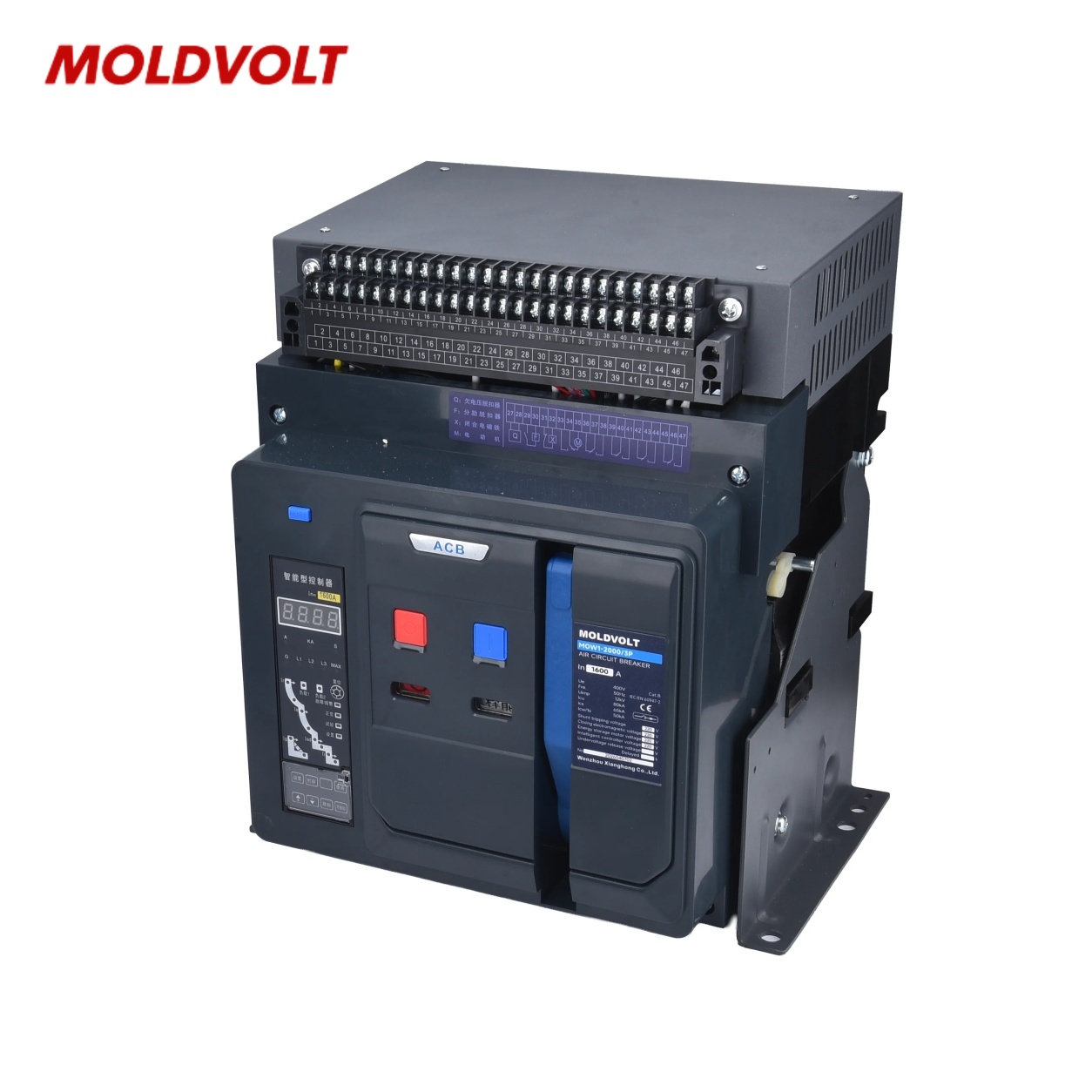
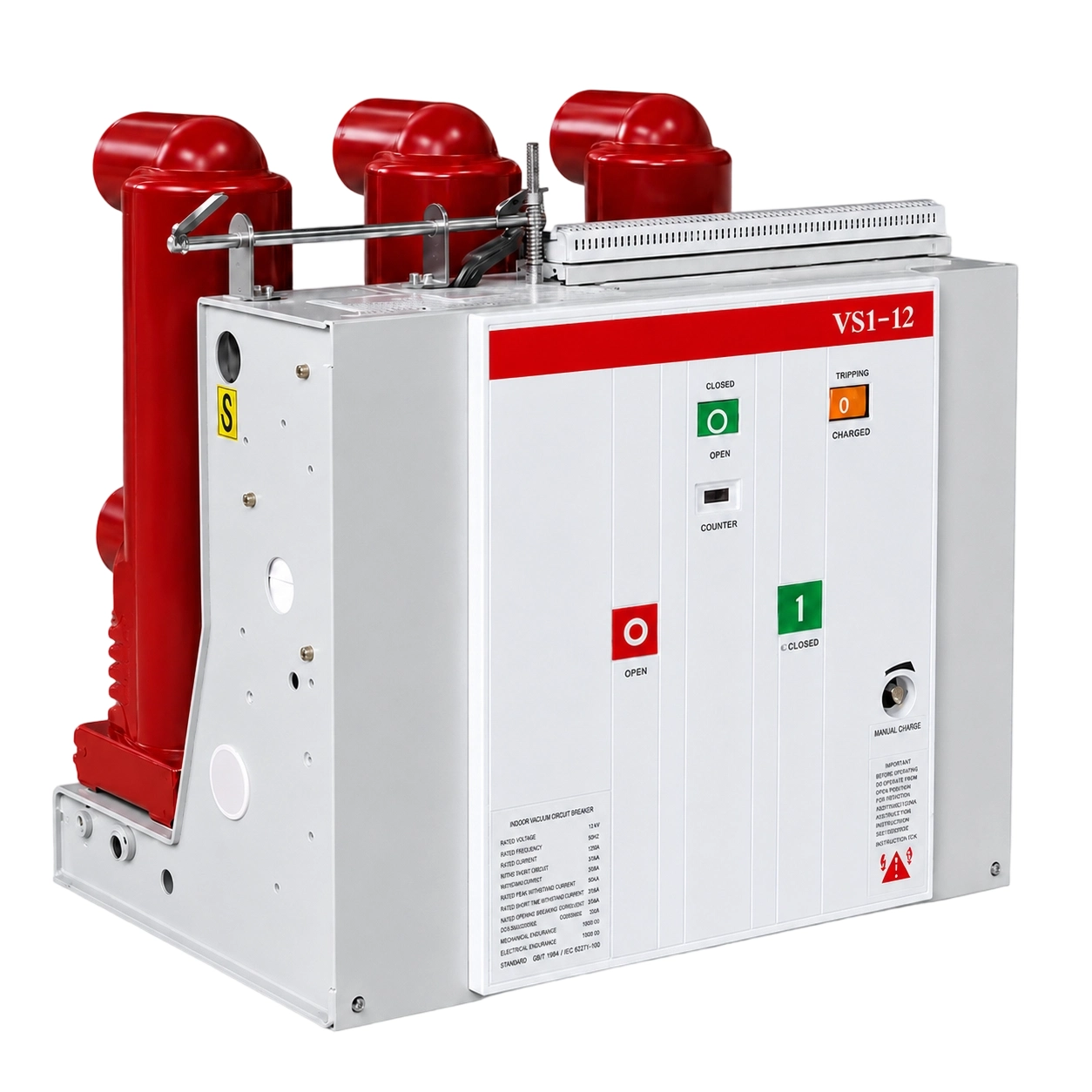
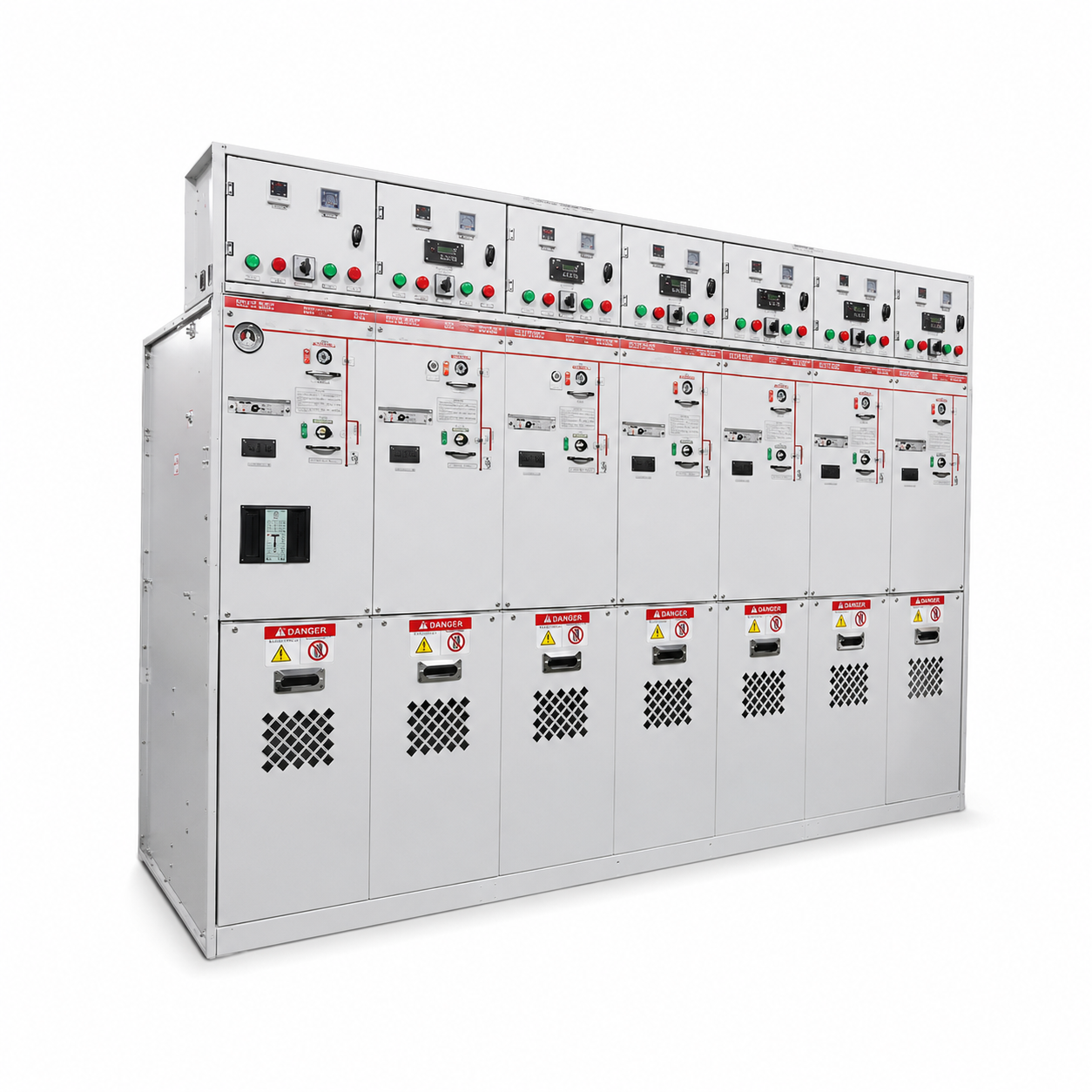
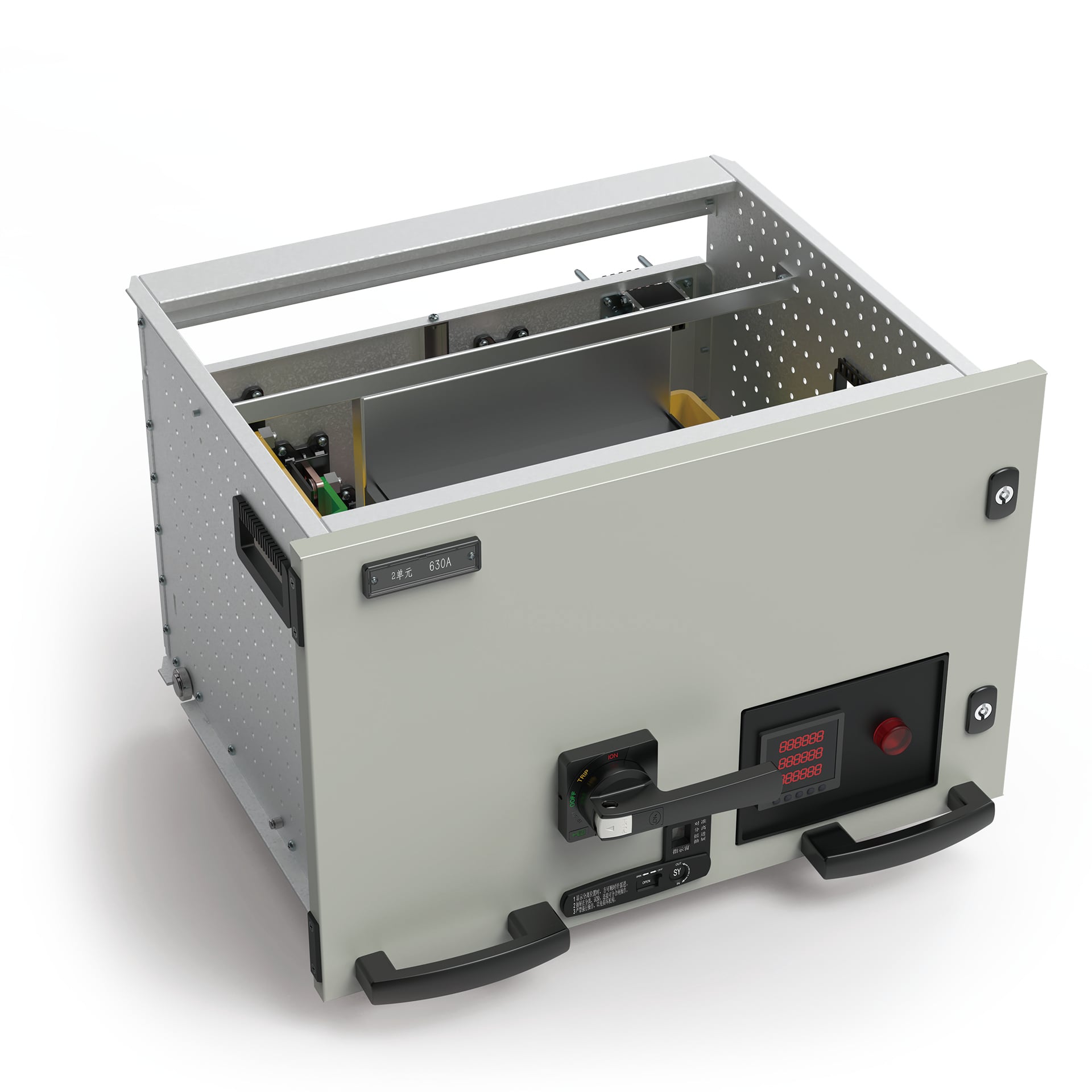
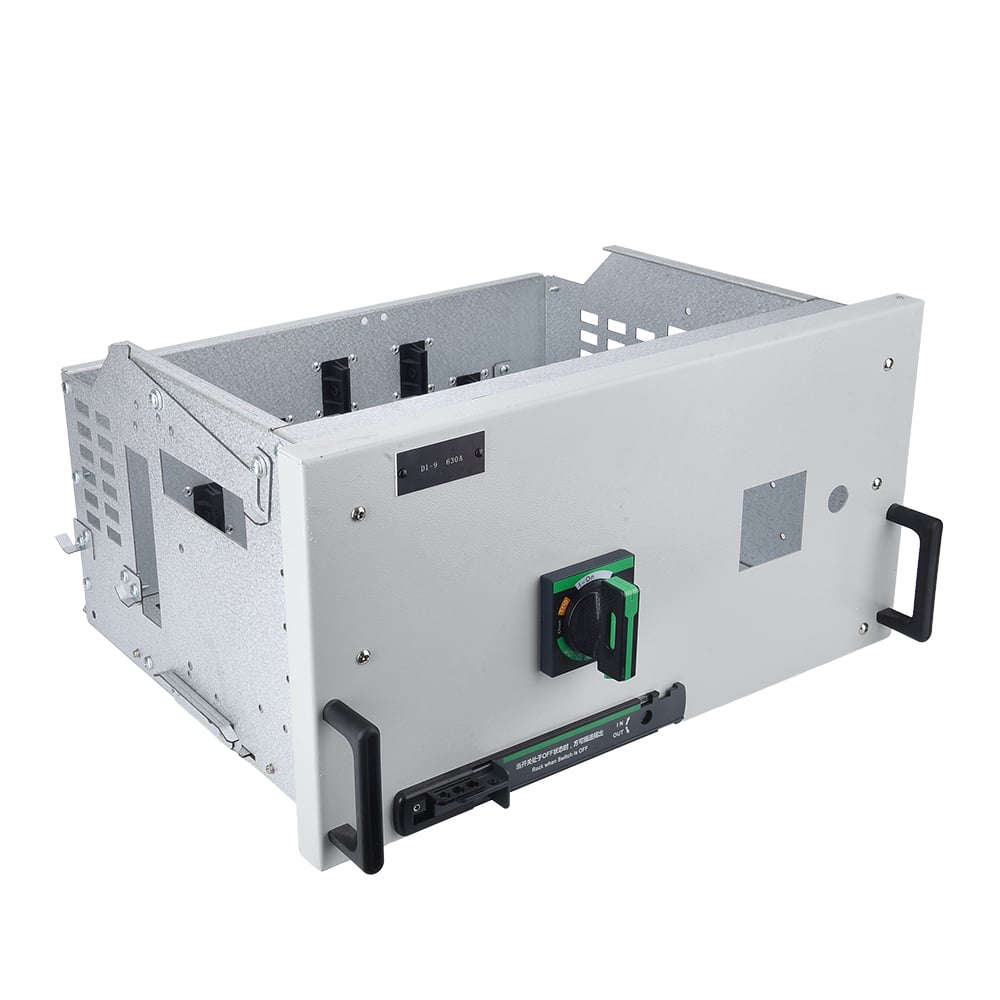
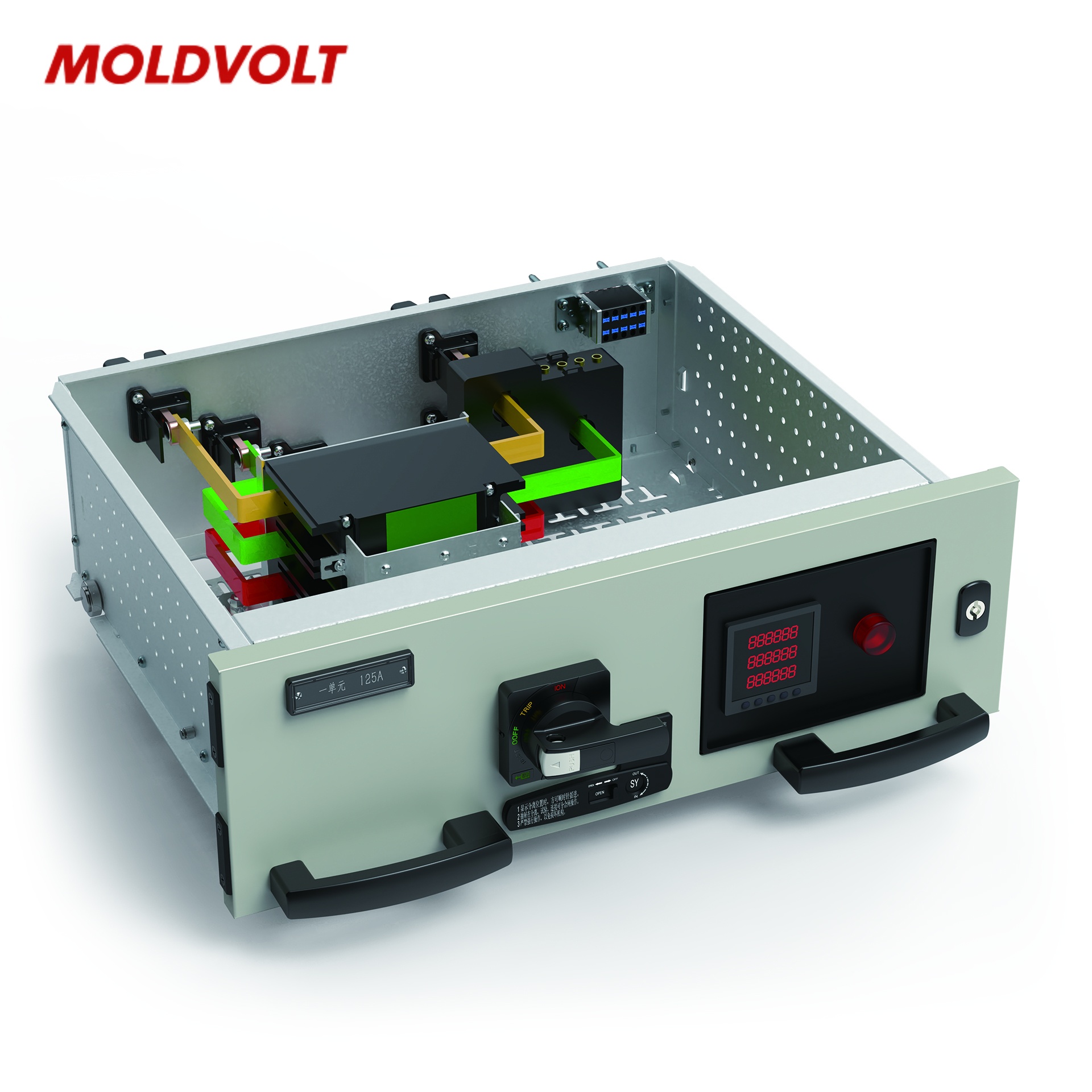
An electrical sub panel distributes power from a main service panel or upstream distribution board to designated circuits in a building or facility. It helps organize branch circuits, simplifies maintenance, and supports electrical expansion without requiring every circuit to terminate in the main panel. Sub panels are commonly used in commercial buildings, workshops, warehouses, and industrial facilities. VoltCabinet supports electrical distribution projects that require suitable panel configurations and coordinated protection components. When selecting a sub panel, engineers should evaluate the supply arrangement, rated voltage, busbar capacity, circuit count, enclosure rating, and available fault current. Correct sizing and installation help maintain safe operation and provide room for future electrical loads.
Get A Quote

Case Study

Sub Panel Installation for Commercial Office Expansion

A commercial office renovation required additional branch circuits for lighting, workstation outlets, and HVAC equipment. The project team evaluated the existing main panel capacity and selected a sub panel configuration suited to the expected loads and available installation space. Circuit schedules and protective device requirements were reviewed before installation, helping electricians organize outgoing circuits and identify connections clearly. The design also considered access for inspection and future maintenance. Before energization, qualified professionals verified conductor sizing, grounding and bonding arrangements, and compatibility with the upstream protective device. This approach helped create a structured distribution layout while supporting applicable electrical code requirements.

Electrical Distribution for a Workshop Facility

A growing workshop needed additional circuits for machinery, lighting, and general-purpose outlets. Rather than extending every branch circuit back to the existing main panel, the electrical designer assessed whether a dedicated sub panel would improve circuit organization and installation efficiency. The review covered expected demand, feeder ampacity, overcurrent protection, enclosure suitability, and the workshop's operating environment. The final configuration was documented in a circuit schedule to simplify identification and troubleshooting. For similar facilities, adding a sub panel requires confirming that the upstream service and feeder can support the additional load. A qualified electrician must verify the design before installation and commissioning.

Sub Panel Upgrade for Industrial Equipment

An industrial facility planned to add production equipment that required several new branch circuits. The project team reviewed the existing distribution arrangement, available fault current, feeder capacity, and equipment connection requirements before specifying a sub panel. Panel dimensions, busbar ratings, enclosure protection, and compatibility with the upstream system were also considered. Clear labeling and accessible circuit protection helped support routine inspection and future maintenance planning. Before the new panel was energized, qualified electrical personnel checked conductor terminations, grounding and bonding, protective device ratings, and installation compliance. This structured process helped integrate additional loads while maintaining a coordinated electrical distribution design.

Related products

An electrical sub panel is a secondary distribution panel supplied by an upstream main panel or distribution board. It provides a centralized location for branch circuit breakers serving a particular floor, workshop, production area, or group of electrical loads. By separating circuits into logical sections, a sub panel can improve circuit identification, simplify maintenance, and accommodate planned electrical expansion. VoltCabinet supports electrical distribution projects requiring panel configurations suited to commercial and industrial environments. When specifying a sub panel, buyers should confirm the system voltage, number of phases, rated busbar current, required circuit positions, enclosure dimensions, and installation conditions. Feeder conductors and upstream overcurrent protection must be coordinated with the panel rating and calculated load. Grounding and bonding arrangements must also follow the applicable electrical system design and local regulations. For example, a warehouse adding lighting, ventilation, and equipment circuits may benefit from a dedicated sub panel that organizes these loads separately from office circuits. However, the existing service capacity and feeder limitations must be assessed before expansion. Depending on the application, buyers may also need to consider enclosure protection, cable entry arrangements, labeling, and access for maintenance. Providing these details during the inquiry process helps suppliers evaluate suitable panel configurations and clarify project requirements before procurement.

Frequently Asked Questions

What is an electrical sub panel used for?

An electrical sub panel distributes power from an upstream main panel to a group of branch circuits. It is commonly installed in workshops, garages, commercial buildings, and industrial facilities to organize circuits, improve accessibility, and support electrical expansion when the existing service and feeder capacity permit.
A main panel typically receives power from the service supply or designated upstream distribution equipment, while a sub panel receives power through a feeder from another panel. Their grounding and neutral arrangements can differ depending on the system. Installation must follow applicable electrical codes and the approved design.
Panel selection depends on the calculated electrical load, feeder capacity, required branch circuits, system voltage, available fault current, and future expansion needs. The busbar rating and enclosure configuration must suit the installation. A qualified electrical professional should complete load calculations and verify compatibility with upstream protection.
A sub panel generally requires a protective grounding connection, but the exact arrangement depends on the electrical system and applicable codes. In many common installations, neutral and ground remain isolated in the sub panel, with bonding performed only at designated locations. A qualified electrician must verify the correct configuration.
A sub panel adds circuit distribution capacity, but it does not automatically increase the electrical service's total available power. The upstream panel, feeder, and service must support the additional calculated load. An electrician should assess demand, conductor ratings, and overcurrent protection before approving an expansion.

Related article

What cable clamp material suits high temperature switchgear cabinets?

19

Sep

What cable clamp material suits high temperature switchgear cabinets?

Understanding High-Temperature Challenges in Switchgear CabinetsTypical Operating Temperatures and Thermal Stress Sources (Busbars, Load Cycling, Enclosure Design)Switchgear cabinets experience elevated temperatures primarily due to resistive losses ...
View More
Cabinet corrosion resistance determines service life in coastal engineering sites.

23

Sep

Cabinet corrosion resistance determines service life in coastal engineering sites.

Why Coastal Environments Accelerate Cabinet CorrosionThe chloride-humidity synergy: How salt aerosols and sustained high RH drive electrochemical degradationCoastal atmospheres subject cabinet enclosures to a uniquely aggressive combination of airbor...
View More
What electrical switchgear testing items are required before site commissioning?

21

Oct

What electrical switchgear testing items are required before site commissioning?

Insulation Integrity and Dielectric Strength Verification Megger testing of busbars, cables, and instrument transformer circuits Megger testing is a foundational pre-commissioning check for electrical switchgear, measuring insulation resistance (IR...
View More
Cable clamp vs cable tie: which one delivers long term stability in panels?

27

Oct

Cable clamp vs cable tie: which one delivers long term stability in panels?

Mechanical Performance Under Thermal Stress Polymer creep and thermal expansion mismatch in nylon cable ties at 60–85°C Nylon 6/6 cable ties undergo measurable mechanical degradation when exposed continuously to 60–85 °C. At the...
View More

Customer Testimonials

James Miller

We needed sub panels for a commercial renovation with multiple branch circuits. Clear specification discussions helped our team confirm circuit capacity, enclosure requirements, and compatibility with the main distribution system.

Daniel Wilson

The supplier helped us review sub panel requirements for an industrial facility. Checking circuit capacity, protective devices, and installation conditions early made project planning more straightforward.

Get a Free Quote

Our representative will contact you soon.
Email
Mobile/WhatsApp
Name
Company Name
Message
0/1000
Configurable Panel Layouts for Diverse Electrical Applications

Configurable Panel Layouts for Diverse Electrical Applications

Sub panels serve different purposes depending on the building layout, electrical demand, and connected equipment. An office may require separate circuits for lighting and workstations, while a workshop may need dedicated circuits for machinery and ventilation. A suitable panel configuration should provide enough circuit positions, appropriate busbar capacity, and an enclosure designed for the installation environment. VoltCabinet supports distribution equipment projects where these specifications need to be coordinated before procurement. During planning, customers should identify the number and type of outgoing circuits, system voltage, installation location, and expected load. Reviewing these details early helps reduce configuration errors and supports orderly installation and maintenance.
Safety-Focused Integration With Upstream Distribution Systems

Safety-Focused Integration With Upstream Distribution Systems

A sub panel must operate as part of a coordinated electrical distribution system rather than as an isolated component. Its feeder, overcurrent protection, grounding and bonding arrangements, and available fault-current rating all influence safe operation. For commercial and industrial installations, compatibility with upstream equipment should be verified before the panel is purchased or energized. VoltCabinet supports project discussions involving distribution panel specifications and equipment configuration requirements. For example, a facility adding new machinery should assess both the proposed sub panel and the capacity of the existing feeder before introducing additional loads. Professional engineering review and installation checks help support code compliance, dependable protection, and long-term serviceability.

Get a Free Quote

Our representative will contact you soon.
Email
Mobile/WhatsApp
Name
Company Name
Message
0/1000