Fuses and Circuit Breakers: Protection Guide for Engineers

All Categories
Reliable Fuses and Circuit Breakers for Electrical Protection

Reliable Fuses and Circuit Breakers for Electrical Protection

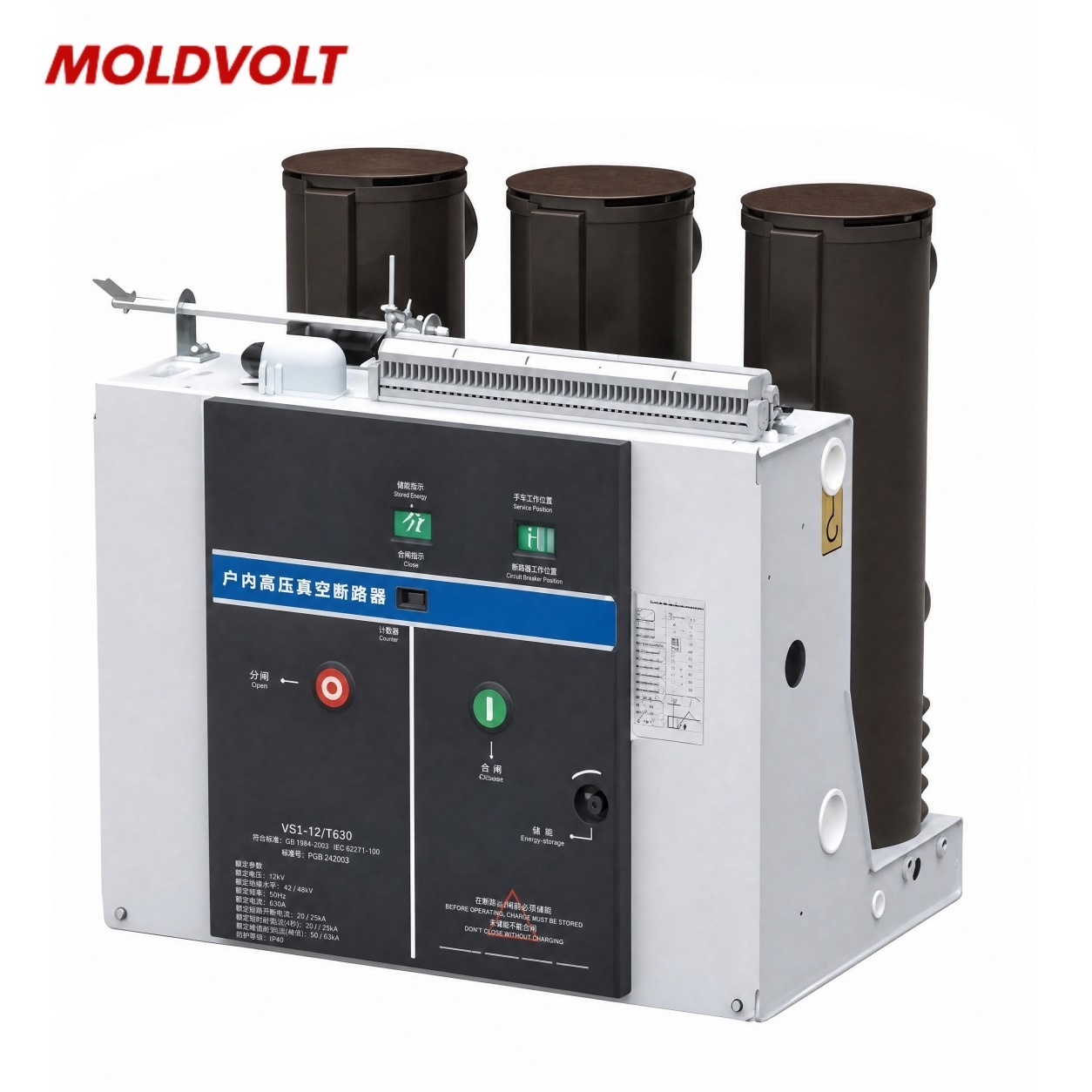
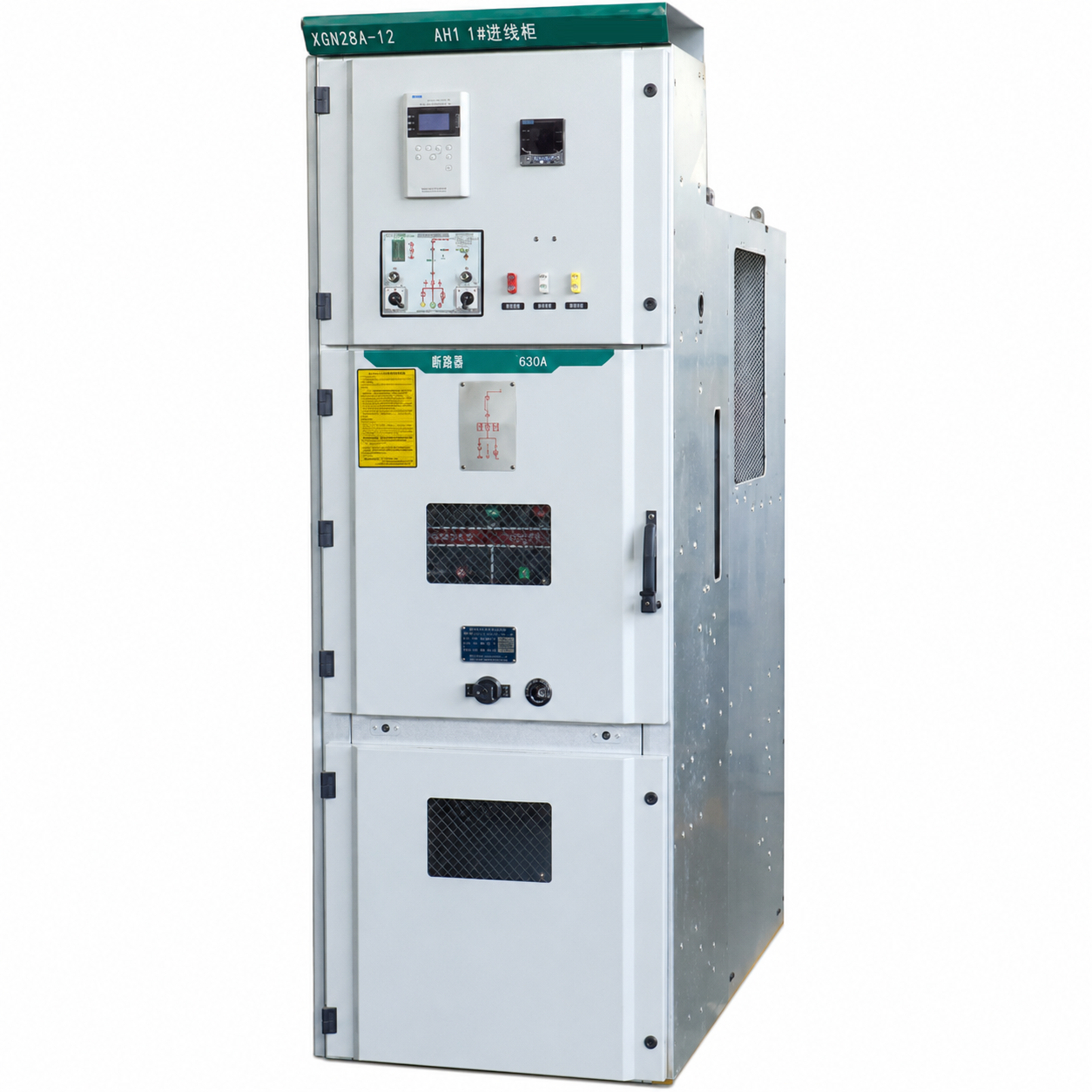
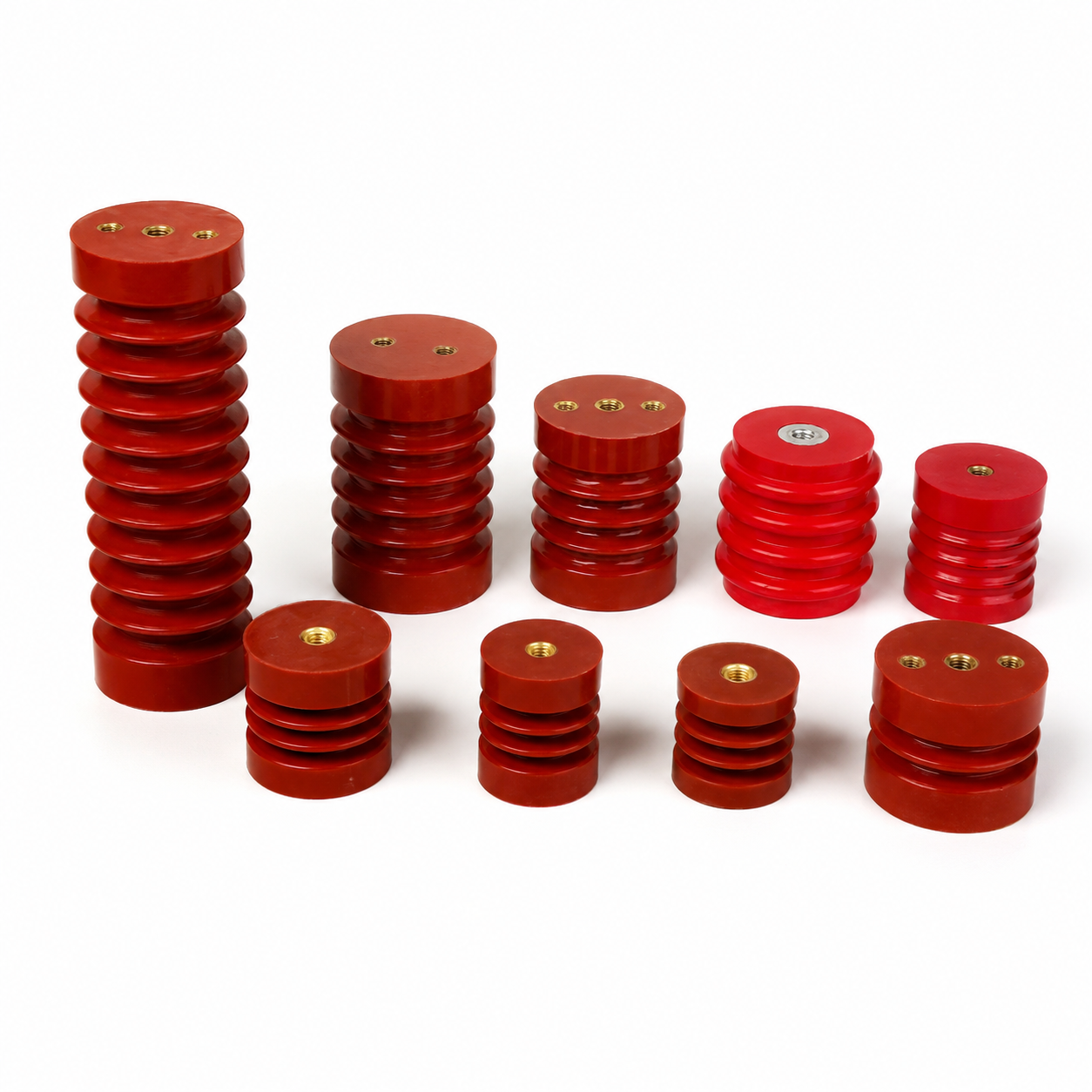
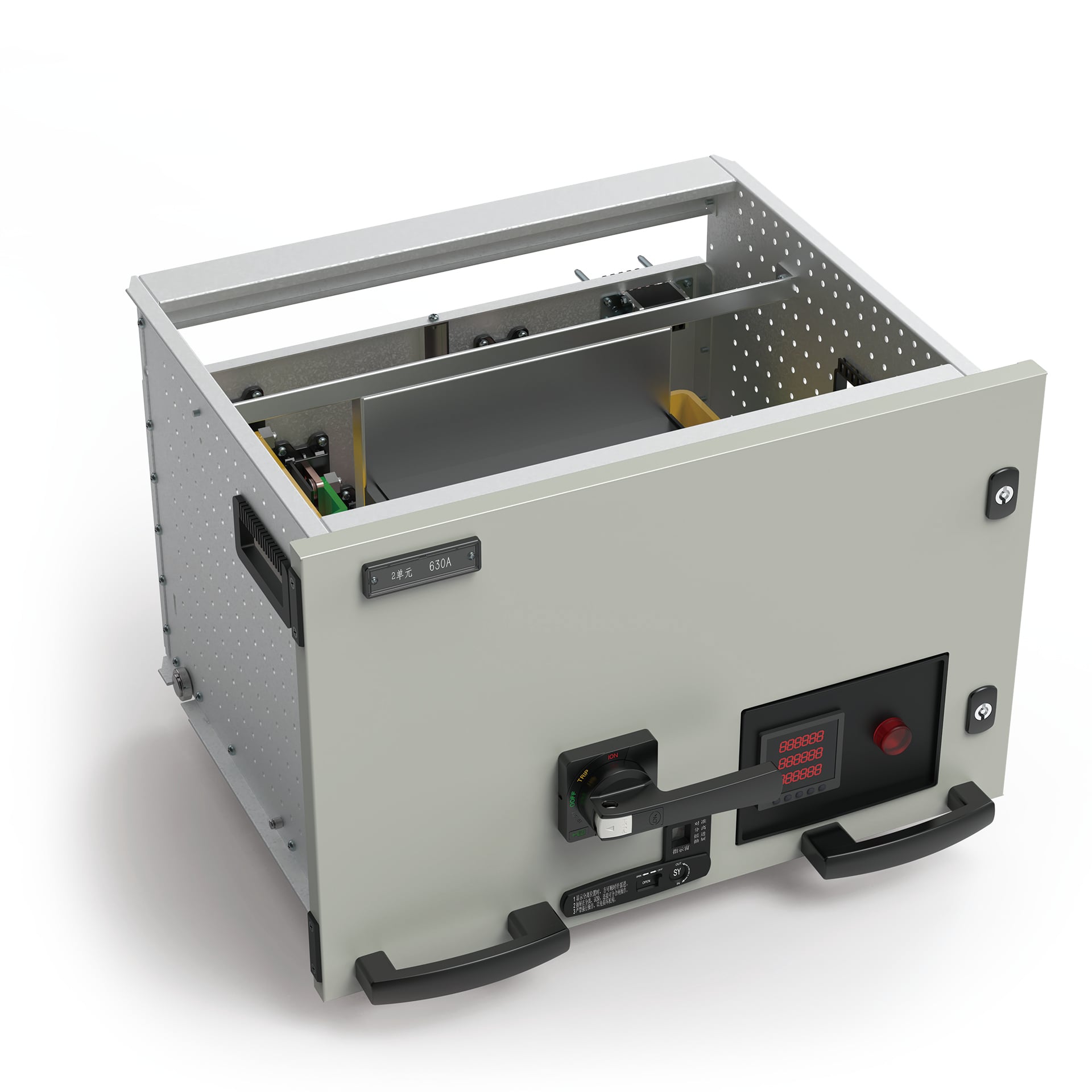
Fuses and circuit breakers protect electrical circuits against excessive current, helping reduce the risk of equipment damage, conductor overheating, and electrical faults. Although both devices provide overcurrent protection, they operate differently and serve different application requirements. A fuse interrupts a circuit by melting its internal element when current exceeds specified conditions, while a circuit breaker uses a switching mechanism to open the circuit during a qualifying fault. VoltCabinet supports electrical distribution projects requiring suitable protective device selection and system integration. Buyers should evaluate rated voltage, current rating, interrupting capacity, fault levels, load characteristics, and applicable standards. Choosing the right protection strategy helps improve system coordination, maintenance planning, and operational reliability.
Get A Quote

Case Study

Commercial Building Electrical Systems

Commercial buildings require coordinated protection for lighting, HVAC systems, office equipment, and other electrical loads. Fuses and circuit breakers can protect individual circuits against overcurrent when selected according to the installation's requirements. Circuit breakers are often preferred where resettable operation and convenient switching are useful, while fuses may suit applications requiring compact protection or specific current-limiting characteristics. Engineers should consider the available fault current, conductor ratings, connected loads, and the protective devices' interrupting capabilities. Proper coordination between upstream and downstream devices can help isolate faults without unnecessarily interrupting unaffected circuits. The final selection should comply with applicable electrical codes and project specifications.

Industrial Machinery and Control Panels

Industrial machinery often contains motors, control circuits, power supplies, and sensitive electrical components that require carefully selected overcurrent protection. Fuses may offer fast fault interruption and current-limiting performance in suitable applications, while circuit breakers provide resettable protection and can simplify circuit isolation. The correct choice depends on motor starting current, load behavior, prospective short-circuit current, and equipment manufacturers' recommendations. Engineers must also consider coordination with contactors, overload relays, and other protective devices. Matching protective characteristics to the electrical design helps minimize unnecessary shutdowns and supports safe maintenance. Device ratings and installation practices should always follow relevant standards and technical documentation.

Power Distribution and Infrastructure Projects

Infrastructure projects rely on dependable electrical distribution for pumps, ventilation, lighting, control equipment, and auxiliary systems. Fuses and circuit breakers can be incorporated into distribution assemblies to provide overcurrent protection at appropriate points in the system. Selection requires reviewing nominal voltage, expected operating current, short-circuit levels, environmental conditions, and the required isolation arrangements. Some installations benefit from the current-limiting properties of selected fuse types, while others require the operational flexibility of circuit breakers. Engineers should assess selectivity and coordination to help ensure that a fault is isolated by the intended protective device. Correct installation and scheduled inspection support long-term system safety and maintainability.

Related products

VoltCabinet supports electrical distribution projects that require suitable protection against overloads and short circuits. Fuses and circuit breakers are both important protective devices, but their operating mechanisms and maintenance requirements differ. A fuse contains an element that melts under specified overcurrent conditions, interrupting the circuit. After operation, the fuse generally needs to be replaced with the correct type and rating. A circuit breaker opens its contacts when a qualifying fault occurs and can usually be reset after the cause of the fault has been addressed. When selecting a protective device, buyers should consider rated voltage, rated current, interrupting capacity, prospective fault current, load characteristics, and coordination with other components. Industrial applications may also require evaluation of motor starting conditions and sensitive electronic loads. VoltCabinet can help project teams review electrical distribution requirements and identify suitable product configurations. Final selection should comply with applicable standards and the equipment manufacturer's specifications.

Frequently Asked Questions

What Is the Main Difference Between Fuses and Circuit Breakers?

A fuse interrupts current when its internal element melts under specified overcurrent conditions and generally must be replaced afterward. A circuit breaker opens its contacts during qualifying faults and can usually be reset once the fault has been investigated and corrected.
Neither option is universally better. Fuses can provide fast, current-limiting protection in suitable applications, while circuit breakers offer resettable operation and convenient switching. The best choice depends on fault levels, load characteristics, coordination requirements, maintenance practices, and applicable electrical standards.
Yes. Some electrical systems use fuses and circuit breakers at different protection levels. However, their ratings and operating characteristics must be coordinated to achieve the intended protection and fault isolation. Improper coordination can cause unnecessary interruptions or prevent the expected selectivity.
Evaluate system voltage, rated current, prospective short-circuit current, interrupting capacity, connected loads, conductor ratings, and installation conditions. Check manufacturer specifications and applicable regulations. Industrial motor circuits may require additional consideration of starting current and coordination with overload protection.
Yes. Inspection and maintenance should follow manufacturer instructions and applicable safety requirements. Check for signs of overheating, damage, incorrect ratings, or loose connections. Replace operated fuses only with approved types and ratings, and have qualified personnel investigate the cause of a fault before restoring power.

Related article

What switchgear maintenance items prevent unexpected power outage risks?

10

Oct

What switchgear maintenance items prevent unexpected power outage risks?

Top 3 Root Causes of Switchgear-Related Power Outages Insulation degradation and partial discharge: leading precursors to cascade failure Insulation systems in switchgear degrade gradually under electrical, thermal, and environmental stress. Cracks...
View More
Insulator mechanical strength supports busbar fixing inside switchgear cabinets.

13

Oct

Insulator mechanical strength supports busbar fixing inside switchgear cabinets.

Critical Mechanical Load Demands on Insulators for Busbar Support Static, Dynamic, and Short-Circuit Electrodynamics: Quantifying Peak Forces (Up to 250 kA) Busbar support insulators must simultaneously manage three distinct mechanical load regimes...
View More
What electrical switchgear testing items are required before site commissioning?

21

Oct

What electrical switchgear testing items are required before site commissioning?

Insulation Integrity and Dielectric Strength Verification Megger testing of busbars, cables, and instrument transformer circuits Megger testing is a foundational pre-commissioning check for electrical switchgear, measuring insulation resistance (IR...
View More
Cable clamp vs cable tie: which one delivers long term stability in panels?

27

Oct

Cable clamp vs cable tie: which one delivers long term stability in panels?

Mechanical Performance Under Thermal Stress Polymer creep and thermal expansion mismatch in nylon cable ties at 60–85°C Nylon 6/6 cable ties undergo measurable mechanical degradation when exposed continuously to 60–85 °C. At the...
View More

Customer Testimonials

Electrical Project Manager

The product range supports different circuit protection requirements, helping project teams select suitable devices for electrical distribution systems and connected equipment.

Procurement Specialist

Clear technical specifications make it easier to compare protective devices, coordinate system requirements, and plan installation for commercial and industrial applications.

Get a Free Quote

Our representative will contact you soon.
Email
Mobile/WhatsApp
Name
Company Name
Message
0/1000
Reliable Overcurrent Protection

Reliable Overcurrent Protection

Fuses and circuit breakers help protect electrical systems against excessive current caused by overloads and short circuits. The correct device must have suitable voltage and current ratings, as well as adequate interrupting capacity for the prospective fault current at the installation point. Device selection should also account for conductor protection, load characteristics, and the coordination of upstream and downstream protective equipment. By matching protection characteristics to actual operating conditions, engineers can help reduce the risk of electrical damage and improve fault management. All protective devices should be installed and maintained according to manufacturer instructions and applicable electrical standards.
Different Operating Mechanisms

Different Operating Mechanisms

Fuses and circuit breakers perform similar protective functions through different mechanisms. A fuse interrupts current when its element melts, requiring replacement after operation. A circuit breaker opens its contacts and is generally resettable after the fault has been addressed. Certain fuse types offer useful current-limiting characteristics, while circuit breakers can provide convenient switching and circuit isolation. These differences affect maintenance procedures, operating costs, and coordination strategies. Engineers should compare device characteristics against the application's requirements instead of selecting products based on price or convenience alone. The final choice should reflect the electrical design and relevant safety standards.
Suitable for Commercial and Industrial Systems

Suitable for Commercial and Industrial Systems

Electrical distribution systems vary considerably in their load profiles, fault levels, environmental conditions, and maintenance requirements. Fuses and circuit breakers can support commercial buildings, industrial control panels, machinery, and infrastructure when correctly specified for the application. Important considerations include rated voltage, rated current, interrupting capacity, installation method, and compatibility with other protective components. Industrial systems may require additional coordination with motor starters, contactors, and overload relays. Clear technical documentation and appropriate device selection help simplify installation planning and future maintenance. Qualified electrical professionals should verify the design and ensure compliance with applicable codes before energizing the system.

Get a Free Quote

Our representative will contact you soon.
Email
Mobile/WhatsApp
Name
Company Name
Message
0/1000